Exterior Design Trends, Technology & Best Practices for Outstanding Building Facades
Exterior design is more than aesthetics; it’s the interface between built structure and environment. In this article, we dive into the principles, materials, technologies, benefits, and real-world examples that define high-quality exterior design. Whether you’re an architect, homeowner, or design enthusiast, you’ll gain deep, actionable insight.
Understanding the Core of Exterior Design
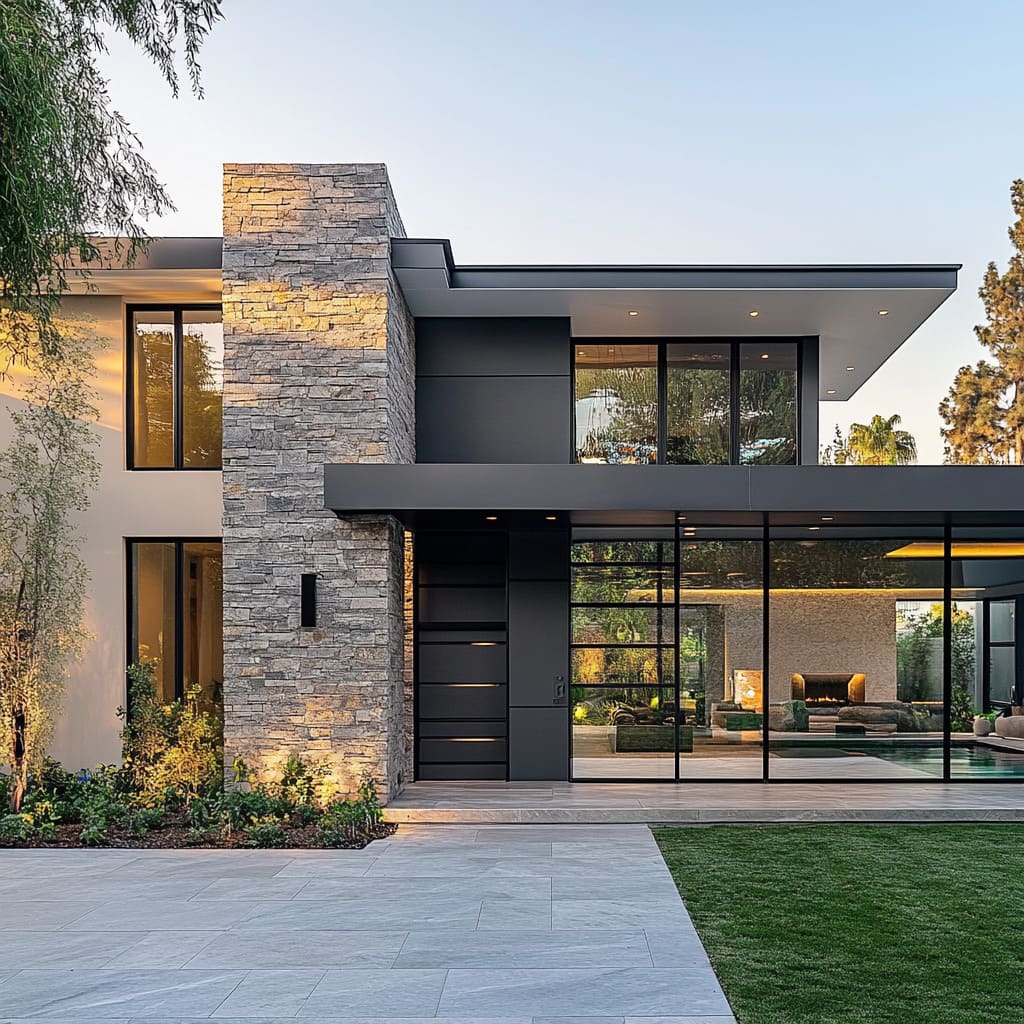
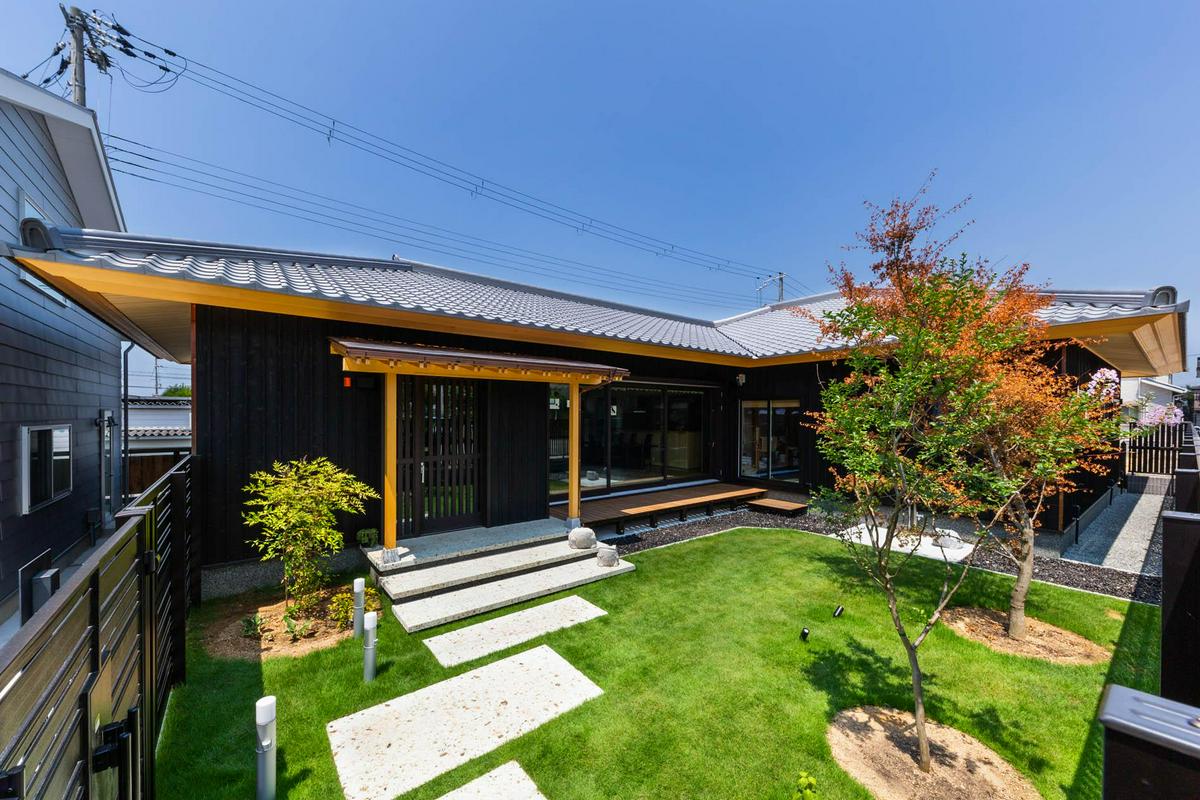
Exterior design refers to the planning and execution of a building’s outer shell, its façade, rooflines, textures, color, cladding, windows, and landscaping junctures. It’s where architectural intent meets functional reality: exteriors must manage environmental loads (sun, wind, rain), thermal performance, durability, maintenance, and aesthetic coherence with surroundings.
Good exterior design balances five key interrelated aspects:
-
Functionality & performance — weather resilience, insulation, water drainage
-
Material and texture choices — how surfaces age, reflect light, and integrate
-
Visual composition — proportions, hierarchy, rhythm, color, contrast
-
Context and integration — site, landscape, neighboring structures
-
Innovation and technology — dynamic facades, smart components, adaptive skins
Without attention to performance, an attractive facade can fail prematurely. Conversely, overengineering without design sense can lead to sterile or monotonous exteriors. The “sweet spot” lies in combining technical robustness with aesthetic vision.
Trends Shaping Modern Exterior Design
In recent years, several trends have emerged that are redefining what good exterior design looks like:
Biophilic & Nature-Integrated Design
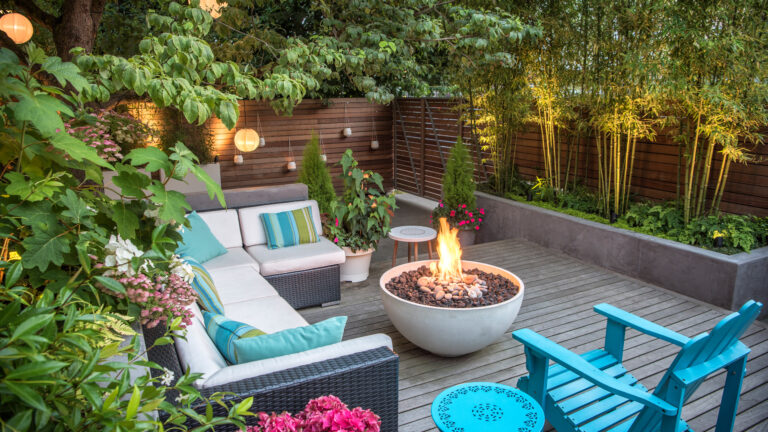
Designers increasingly embed natural elements green walls, planters, vertical gardens, and native landscaping, into facades to soften massing and bring ecological function closer to the structure. This helps with microclimate regulation, human health, and visual harmony with the surroundings.
Mixed Materials & Textural Contrast
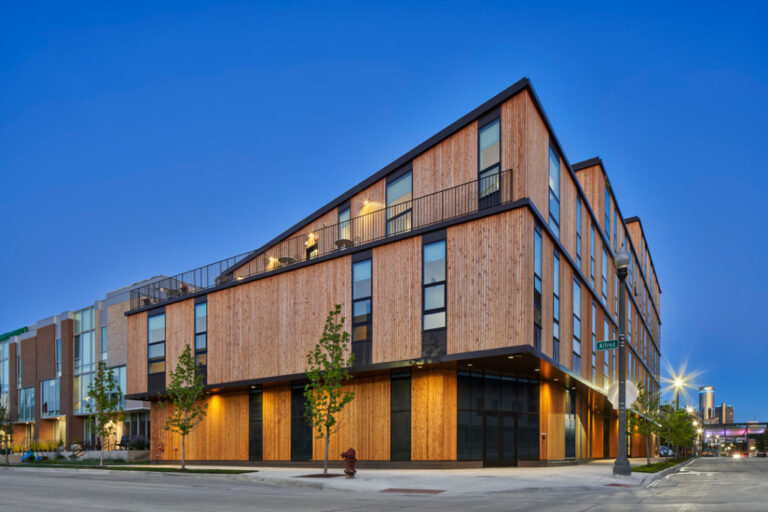
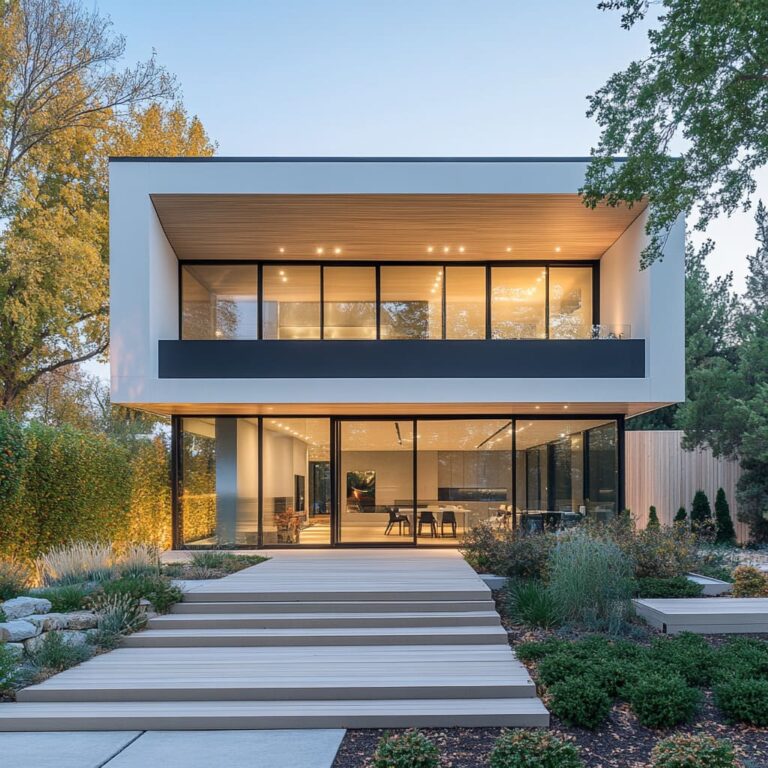
Rather than relying on a single material, facades now combine stone, metal panels, wood accents, textured concrete, and glass to create layered visual depth. For example, one wall plane might be rendered concrete, another clad in metal, and a third in natural wood slats.
Sustainability & Energy-Smart Exteriors
Solar glass, integrated photovoltaics, dynamic shading systems, high-performance envelopes, and adaptive façades are now central to exterior design thinking. These features help reduce energy consumption and environmental impact.
Bold Colors & Dark Palettes
Exterior color trends have shifted from neutral whites and greys to deeper, saturated earth tones, charcoal blacks, and strong contrast accents. Using color strategically across planes can dramatize façade geometry.
Kinetic & Responsive Facades
Some modern buildings morph their exterior surfaces dynamically, shading louvers that open or close with solar angle, panels that shift with wind or temperature, or building skins that expand or contract. These kinetic systems enhance user comfort and energy performance.
Architectural Technologies Enhancing Exterior Design
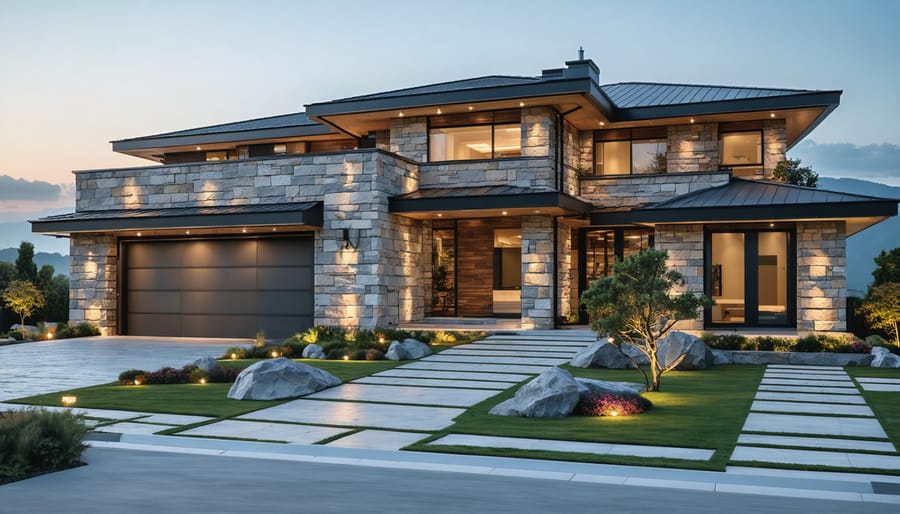
Advances in materials, software, and smart systems are transforming what’s possible in exterior design. Below are key technological enablers and how they improve façade design outcomes.
Smart & Adaptive Skins
Exterior envelopes are no longer static. Climate-adaptive building shells (CABS) are facades that shift their behavior in response to environmental inputs like sun, wind, or thermal load. They help regulate interior climate and reduce heating/cooling loads. Dynamic glazing (electrochromic, photochromic) adjusts transparency or shading to modulate solar gain. Automated shading louvers, sun-tracking panels, or retractable screens further refine daylight and glare control.
Advanced Materials
New materials push boundaries of strength, weight, and aesthetic expression:
-
Ultra-High Performance Concrete (UHPC) — high strength with thinner profiles and refined textures.
-
Phase Change Materials (PCM) — incorporated in façades to buffer temperature swings by absorbing or releasing latent heat.
-
Aerogels & translucent insulation — enabling light penetration with thermal insulation.
-
Transparent wood, engineered glazing, composite cladding — these materials allow inventive layering of translucency vs opacity.
-
Copper or metal cladding systems — durable, curved, and stylistically expressive.
Visualization & Design Tools
Designers now leverage computational tools to test and refine exterior designs:
-
3D / photoreal exterior rendering helps clients visualize lighting, materiality, and context before construction.
-
AI exterior design generators can suggest façade treatments, materials, or alternatives based on input sketches or photos.
-
Parametric design and scripting let architects alter parameters (window sizes, facade rhythm, shading depth) and generate multiple iterations quickly.
-
Digital twins and simulation tools allow performance testing (energy, wind, daylight) against real weather datasets.
Automation & Robotics
One emerging application is robotic exterior painting systems for tall buildings, reducing risk and increasing efficiency. Another frontier lies in living architecture, like combining robots and plants to grow adaptive facades.
These technologies help exterior design not just look better, but perform better, adaptively, and sustainably.
Real-World Examples & Use Cases
Below are three illustrative example works or reference products/books related to exterior design, each showcasing different facets of facade thinking and innovation.
Designing the Exterior Wall: An Architectural Guide to the Vertical Envelope
This book is a detailed guide to designing vertical building envelopes. It explores material selection, detailing, thermal performance, moisture control, and integration with structure. It is relevant because it offers architects and designers a deep reference on how exterior walls function technically while shaping the aesthetic identity of a building. The value lies in the way it bridges theory and detail from insulation and cladding choices to joints and expansion strategies.
Outdoor Living: The Ultimate Project Guide
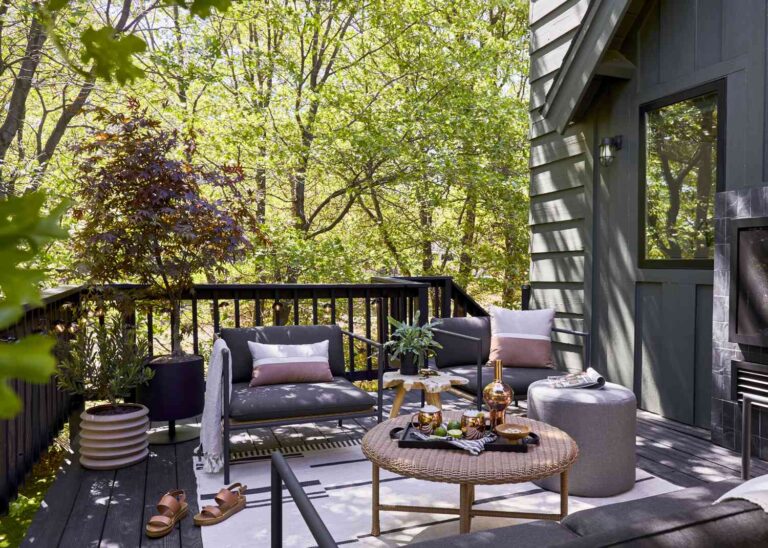
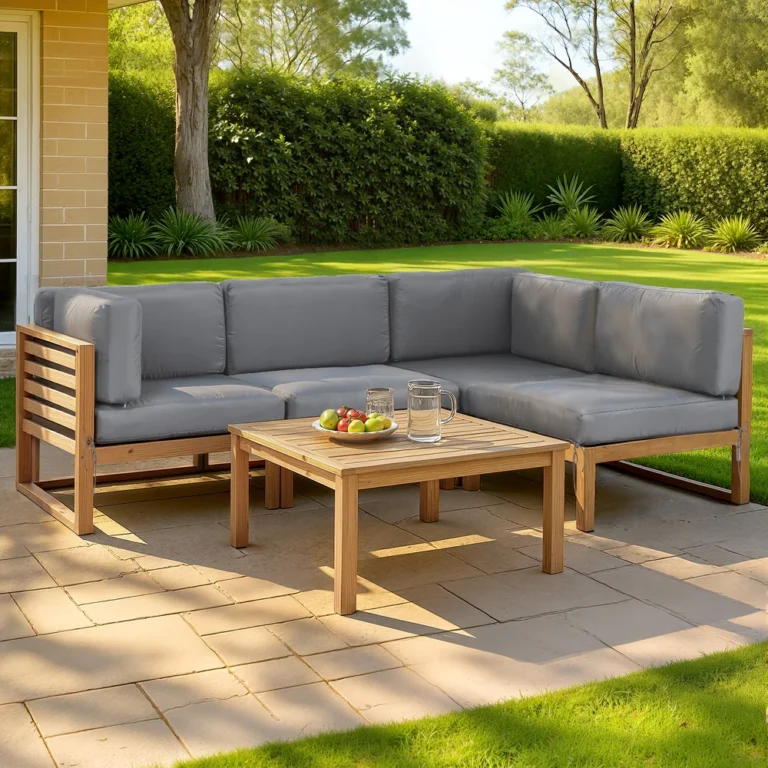
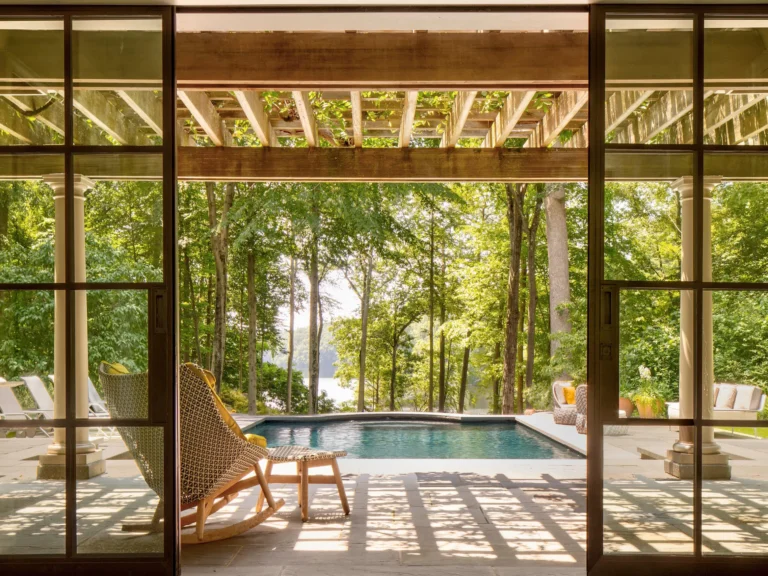
Although not purely about facades, this guide explores how exterior spaces, patios, decks, and façade-adjacent zones are conceived and built. It is useful because exterior design often must negotiate transitions between façade and outdoor living environments. This resource helps clarify how those transitions work siticiting ng, citing materials, sun/shade strategies, and aesthetic coherence.
Brickwork Projects for Patio & Garden: Designs, Instructions
This book describes masonry and brickwork details applied in exterior hardscapes. While not a high-rise façade itself, it offers micro-level craftsmanship insights into how brick patterns, mortar joints, and interlocking systems behave in weather and how they age visually. For an exterior designer, understanding these small construction modules helps ensure façade details are durable, expressive, and well-integrated.
Beyond books, we can also consider real buildings or projects (not a product per se):
-
GreenPix Zero Energy Media Wall — a large façade with integrated photovoltaics and LED display, blending energy capture and expression.
-
Kinetic facades in architectural projects — building skins that morph in response to the environment.
-
Biomimetic or sustainable landmark buildings — using nature-inspired form and function to shape facades.
Each of these is relevant because it illustrates how exterior design evolves beyond static cladding toward responsive, sustainable, expressive systems.
Benefits & Practical Advantages of Strong Exterior Design
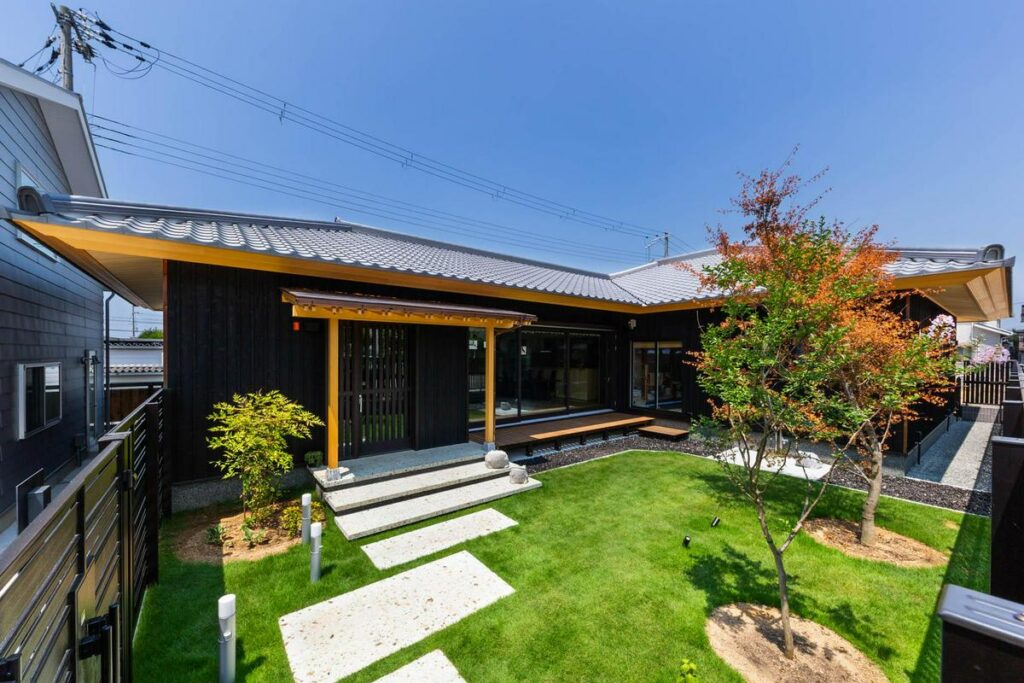
Strong exterior design is not merely cosmetic; it delivers concrete, tangible benefits. Below are the major advantages and how they manifest in real contexts.
Energy Efficiency & Climate Control
A well-designed exterior envelope reduces heating, cooling, and lighting loads. Dynamic shading, thermal breaks, high-performance windows, and insulation minimize energy transfer. Adaptive facades allow control over solar gain. For example, in hot climates, south facades may deploy retractable screens or adjust glazing to avoid overheating, while in cooler conditions, they allow solar gain. Over time, energy savings may be substantial.
Durability & Maintenance Savings
Quality material choices, thoughtful detailing of joints, overhangs, moisture barriers, and protective systems mean less repair work over the life of a building. This lowers maintenance cost and prevents aesthetic degradation (staining, corrosion, cracking). Exterior design that anticipates weather, UV exposure, and pollution extends lifespan.
Visual Identity & Branding
The exterior is the public face of a building. Good design can reinforce a brand, convey identity (e.g., corporate, institutional, sustainable), and produce iconic architecture. In commercial or civic architecture, façade quality can draw reputation, user pride, and presence in the urban fabric.
Comfort & User Experience
Exterior design influences daylight, glare, visual comfort, views, and shading, which all affect occupant satisfaction. Well-placed overhangs, privacy screens, planting buffers, and glazing transitions can make terraces, balconies, and windows more pleasurable. Even pedestrian experience near the building benefits from textures, light play, and human scale modulation.
Environmental & Ecological Impact
By incorporating green facades, rainwater collection features, photovoltaics, and materials with low embodied carbon, exterior design can reduce the environmental footprint. Adaptive facades reduce operational energy, and nature-inspired strategies enhance biodiversity adjacency.
Resilience & Adaptability
Future climate uncertainty makes resilient exteriors valuable. Facades that can adapt insulation layers that respond, shading that evolves, and façades that can be retrofitted mean a building can remain functional under changing conditions (higher solar exposure, more extreme weather).
Use Cases & Problem-Solving Applications

Let’s look at situations in which thoughtful exterior design solves specific problems, and why it matters in real life.
1. Tropical / Hot Climate Region
Problem: Excess heat gain, UV exposure, humidity, and monsoon rainfall degrade facades and make interiors uncomfortable.
Solution via exterior design: Deploy deep overhangs, sun-shading fins oriented to the sun path, dynamic louvers, and ventilated facades. Use high-reflectance materials and glazing with high solar control. Combine with vertical greenery to cool the microclimate. This mitigates solar heat gain, reduces cooling costs, and protects materials from sun damage.
2. Dense Urban Context
Problem: Limited daylight, privacy conflict with neighbors, noise, and tight setbacks.
Solution: Use staggered facade planes and recesses to break monotony, integrate louvers and frit-pattern glazing to manage views and privacy, use double-skin facades to buffer noise, and employ vertical gardens or textured surfaces that soften the scale. These design moves preserve legibility, comfort, and integration.
3. Iconic/Public Architecture
Problem: The building must stand out, communicate identity, and endure high scrutiny.
Solution: Employ expressive façade systems, media walls, kinetic surfaces, parametric skin forms, and artistic cladding, while ensuring performance integrity. For example, façade lighting sequenced with events, integrated branding signage flush with surface, and durable, maintainable modules. The architecture becomes a landmark.
4. Retrofitting / Renovation
Problem: Older buildings suffer from poor energy performance, dated looks, and aging exteriors.
Solution: Add an outer ventilated cladding layer, integrate solar panels, insert shading canopies, or wrap with a new skin. Retrofits can improve insulation, reduce thermal bridging, and refresh aesthetics without a full structural rebuild.
5. Mixed-Use / Commercial Façades
Problem: A building with retail, offices, and residences demands multiple aesthetic and functional roles (shopfronts, daylight in offices, privacy in residences).
Solution: Segment façade zones robust, transparent shop windows on lower levels, performance glazing for offices, privacy-oriented design above. Use vertical transitions, canopy zones, and layered shading. Exterior design orchestrates these transitions gracefully, avoiding jarring shifts.
In each use case, a carefully designed exterior resolves tension between environmental challenges, functional requirements, and visual ambition.
Summary & Recommendations
Exterior design is a critical discipline at the intersection of art, engineering, and environment. When done well, it delivers lasting beauty, energy performance, resilience, and user delight. The key approaches include:
-
Embrace adaptive or responsive systems, not just static cladding
-
Leverage advanced materials and dynamic shading technologies
-
Use visualization tools (AI, parametric, simulation) to iterate fast
-
Treat transitions to outdoor space with care
-
Tailor each façade to climate, site, and user functions
By integrating these tools and mindsets, your exteriors will do more than look good; they will perform, adapt, and endure.
Frequently Asked Questions
Q1: How do I choose the right materials for my building’s exterior?
To choose materials, assess climate (rain, sun, humidity), required durability, maintenance needs, and the desired aesthetic. Pair surfaces that age gracefully (stone, metal, wood composites) with protective detailing (flashing, overhangs, rain screens). Test samples in situ, considering how weather, dust, and light will change appearance over time.
Q2: Are adaptive façades cost-effective for regular buildings?
Adaptive or responsive facades often have a higher initial cost, but by optimizing energy use, improving comfort, and reducing cooling loads, they can offer payback over time. In many cases, hybrid systems (fixed shading combined with modest dynamic elements) strike a balance. For high-performance, high-visibility, or climate-sensitive projects, their value is more compelling.
Q3: How much does exterior design impact building energy performance?
Significantly. Studies show that improved insulation, shading, glazing, and envelope sealing can reduce energy use for heating/cooling by 20–40% (or more, depending on climate). Smart façade strategies further push these savings by responding to real-time conditions, reducing peaks, and flattening load profiles.