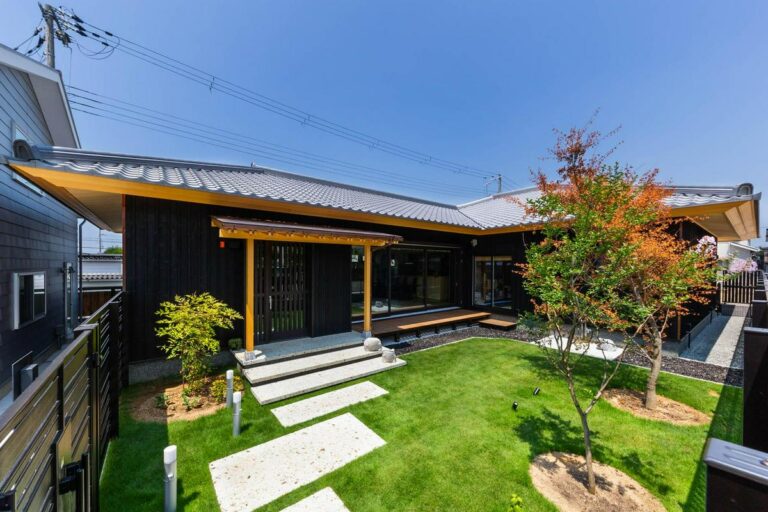
Transforming Your Curb Appeal: Expert Guide to Exterior Home Design
Exterior home design shapes how a house is perceived, functions, and endures. In this guide, we explore every facet of exterior home design: from foundational principles and technology integrations to real-world examples, benefits, and use cases. Whether you are designing a new home or upgrading an existing one, this article gives you a deep, actionable understanding.
The Foundations of Exterior Home Design
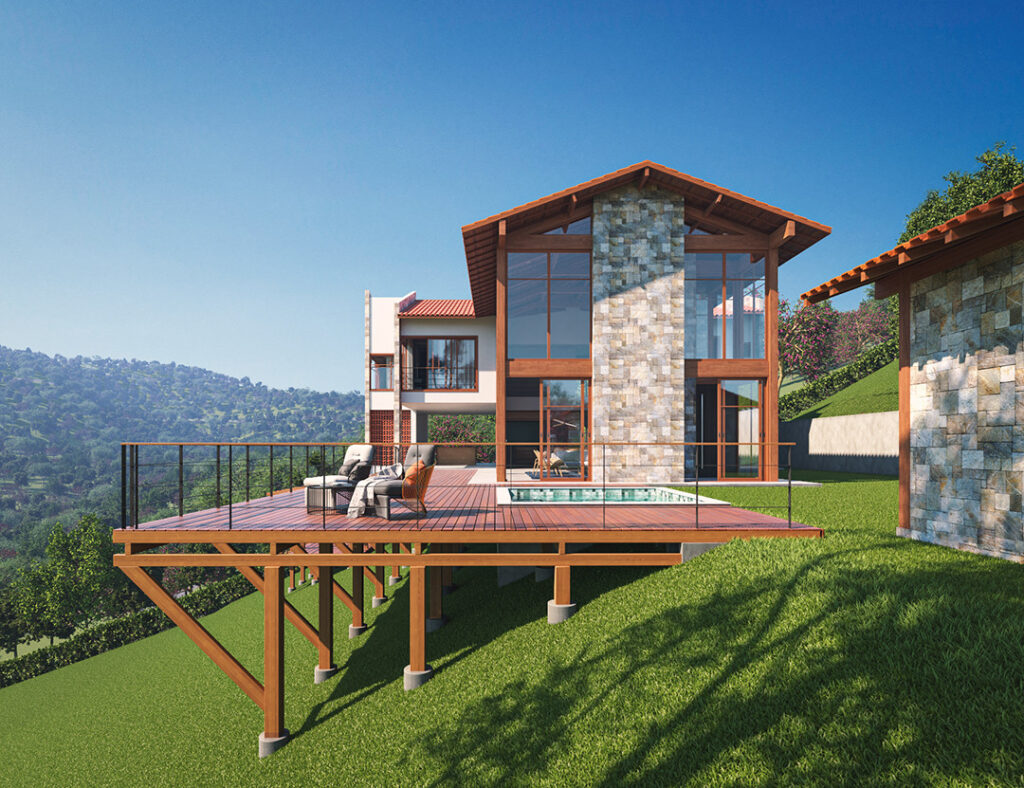
Exterior home design refers to the architecture, form, materials, texture, color, fenestration (windows/doors), landscaping integration, and detailing of a home’s external appearance. Unlike interior design, exterior design must mediate with climate, structure, durability, building codes, and context.
A strong exterior home design harmonizes:
-
Functional performance — resisting weather, controlling solar gain, channeling water, providing insulation
-
Visual composition — massing, proportions, rhythm, contrast, focal points
-
Material logic — how surfaces age, maintain, reflect light, and resist decay
-
Contextual integration — site topography, neighboring buildings, streetscape
-
Technological enhancements — smart systems, responsive elements, performance optimization
If any one of those is ignored, the result can be a façade that looks good yet fails functionally or one that performs well but lacks visual harmony.
Current Trends in Exterior Home Design
Exterior design evolves with culture, climate, and technology. Some of the most prominent trends as of 2025–2026 include:
-
Material & texture mixing: blending stone, wood, metal, stucco, fiber cement, and composite panels to avoid monotony and give depth to facades.
-
Bold, earthy color palettes: deep greens, charcoal, terracotta accents, and darker neutrals are replacing airy pastels and plain white.
-
Seamless indoor-outdoor integration: sliding glass walls, wide openings, terraces, and transitional roof forms that blur the boundary between interior and exterior.
-
Sustainability and energy performance: use of high-performance windows, insulated panels, solar integration, rainwater capture, and passive design.
-
Clean window geometry and minimal trim: frameless or minimal-frame windows are gaining popularity to give a sleek, modern feel.
-
Smart technologies and responsive systems: lighting, shading, sensors, and building automation are increasingly woven into the exterior design.
These trends reflect more than stylistic shifts; they indicate that exterior design is becoming more performance-driven, biologically integrated, and tech-enabled.
The Role of Technology in Exterior Home Design
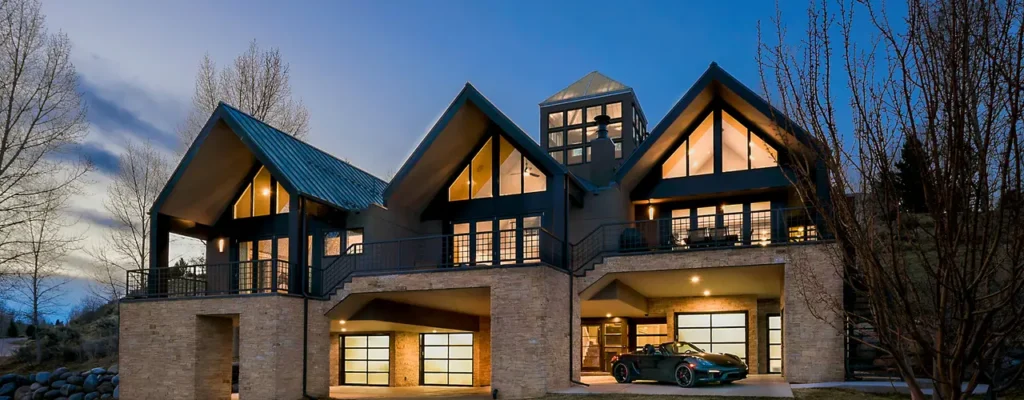
Technology is no longer just ornamental in homes; it’s a foundational layer in modern exterior design. Below are key technological domains shaping the future of facades.
Responsive & Adaptive Facades
Responsive architecture refers to building exteriors that sense and adapt to environmental conditions (sun, wind, temperature) via sensors and actuators. Such façades might open or close louvers, adjust shading depth, or vary surface color/transparency to optimize comfort and energy use.
Adaptive glazing (electrochromic or thermochromic glass) changes its opacity or reflectance to regulate solar gain. Combined with shading devices, these systems allow dynamic control over interior daylight and glare.
Simulation, Design & Visualization Tools
Advanced software makes it possible to test multiple façade strategies in early design:
-
Virtual home design tools (HTML5-based or CAD suites) let designers and homeowners preview exterior changes in real time.
-
Parametric modeling and scripting allow rapid iteration of façade patterns, window layouts, shading elements, and surface textures based on rules or performance metrics.
-
Digital twin frameworks simulate daylighting, energy, wind, and thermal response at scale to validate design decisions before construction.
These tools reduce iterations, help foresee issues early (like glare, overheating, or shading failure), and accelerate decision-making.
Automation & Robotics in Exterior Work
Innovations in robotics are creeping into exterior maintenance and construction. A recent prototype study describes a remote-control robotic painting system for tall building exteriors, enabling safer and more precise painting operations.
Additionally, research in “living architectural systems” (such as Flora Robotica) combines biology and robotics robots guiding plant growth around structural frames to create self-organizing green walls or facades.
Though still emergent, these innovations suggest a future where façades can self-repair, adapt, or grow.
Passive Design & Energy Integration
Smart exterior design integrates passive solar strategies: orienting windows, shading, thermal mass, and insulation to harness or reject heat naturally. Exterior design also increasingly integrates renewable energy: building-integrated photovoltaics (BIPV), solar façades, or rooftop arrays that visually merge with architecture.
By treating the exterior as an energy system interface (not just skin), designers can reduce operational loads, smooth peak demands, and boost sustainability.
Real-World Examples & Use Cases
Below are three detailed examples of products, projects, or systems that illustrate how exterior home design can elevate aesthetics and performance.
Example 1: Mixed-Material Modern Facade
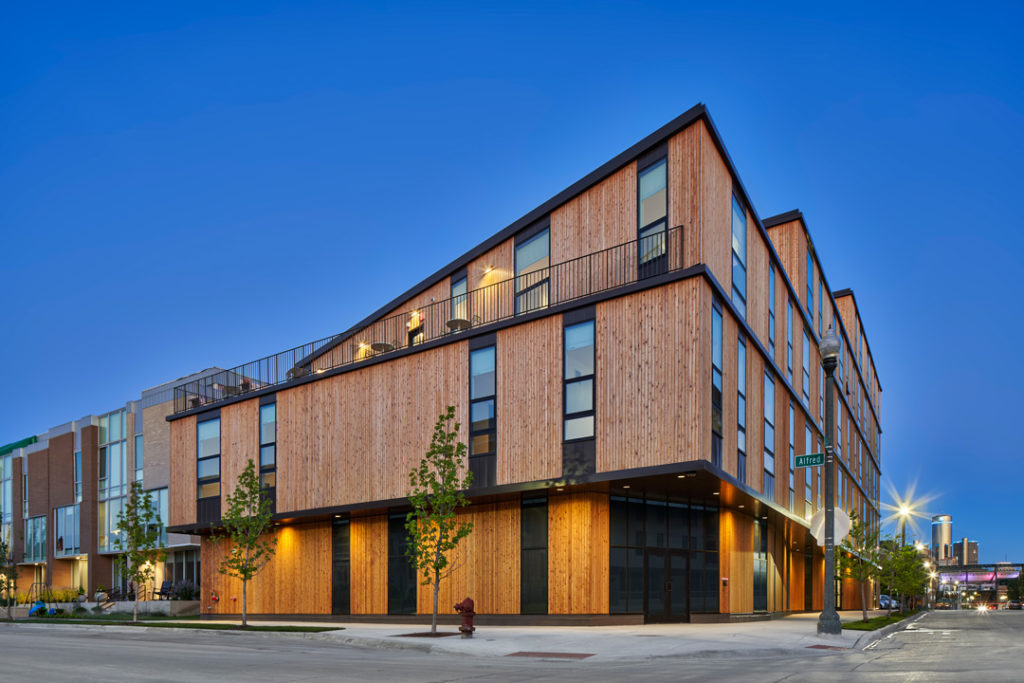
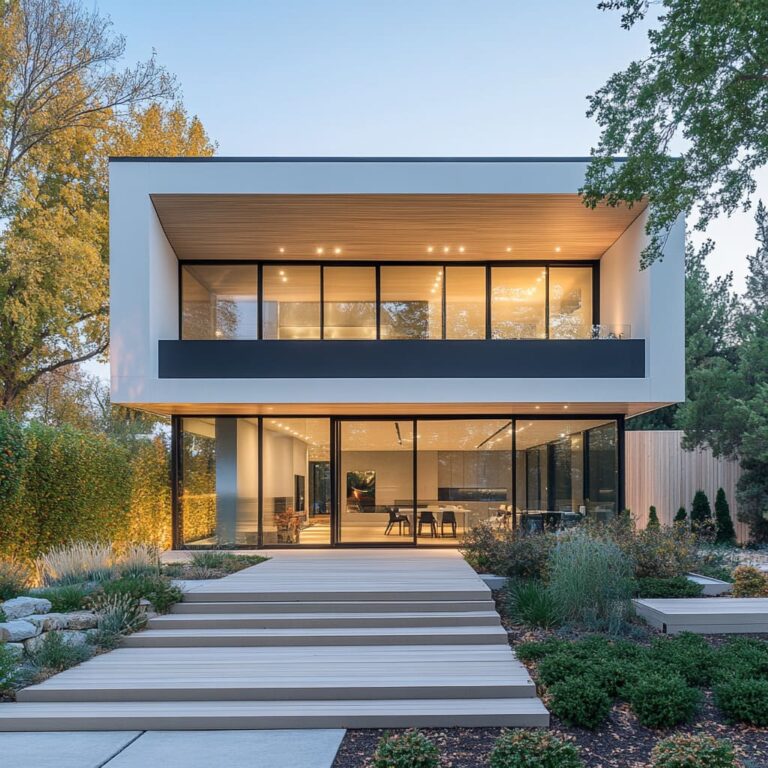
A contemporary home uses a base of light-gray fiber cement paneling, vertical wood battens on select volumes, and narrow black metal cladding as an accent. Window frames are slim black aluminum, with minimal trim to preserve a clean geometry. The wood elements warm the façade visually and help break the monotony of gray planes, while the metal accent frames edges and creates rhythm. In performance terms, the fiber cement panel system is ventilated behind (a rainscreen), providing a drainage gap and thermal break that helps manage moisture and heat.
This example demonstrates how deliberate material layering can yield both visual richness and functional performance: the facade becomes a composition of planes, textures, and shadows that evolve with daylight.
Example 2: Smart Shading Façade
A home incorporates motorized louvered shading fins on its south- and west-facing façades. These fins adjust throughout the day based on sun angle sensors. In the early morning, they tilt to admit indirect sunlight; midday, they close to block harsh direct sun; late afternoon, they lift to open views. Behind the screening, electrochromic glazing further modulates light penetration and heat gain.
This façade addresses seasonal and diurnal variation. It reduces cooling load, controls glare, improves visual comfort, and provides variable privacy. In the end, the façade might open to reveal a more transparent look. It exemplifies how exterior home design can act dynamically, not as a static barrier but as a responsive skin.
(Insert image of a retrofit home with a new exterior envelope)
Example 3: Retrofitted Exterior Envelope
An older suburban home undergoes a façade refresh. Designers wrap it with an outer ventilated cladding over new insulation, upgrade windows to high-performance glazing, add deep eaves, and tuck in vertical gardens along shadowed walls. Over time, passive gains are improved, interior temperature swings are reduced, and the house acquires a contemporary aesthetic. The new shell conceals the old structure while enhancing performance.
This retrofit shows how exterior home design doesn’t require demolition; it can transform existing homes both functionally and visually, extending life and improving energy behavior.
These three use cases show how material strategy, responsive systems, and retrofit thinking can elevate exterior design in real life.
Benefits & Practical Advantages
Strong exterior home design offers many benefits in everyday life. Below are key practical advantages and how they translate to real results.
Improved Energy Efficiency & Climate Control
By combining shading, high-performance glazing, insulation, and passive orientation, exterior design can dramatically lower heating and cooling energy use. Dynamic systems like shading and adaptive glazing flatten peak loads, reduce HVAC sizing, and improve occupant comfort. Over time, energy savings offset design investment.
Durability, Lower Maintenance & Long Life
Exterior design that anticipates weather (rain, sun, wind), uses robust materials, and incorporates drainage and protective detailing will age gracefully. This reduces repair costs, stamping out moisture damage, and prevents visual decay (fading, staining, corrosion). A well-detailed façade resists performance degradation over decades.
Elevated Curb Appeal & Property Value
The exterior is the first impression. A purposeful, high-quality façade enhances perceived value, marketability, and pride of ownership. In residential real estate, a compelling exterior design often translates into higher resale value because it signals care and longevity.
Enhanced Comfort & Experience
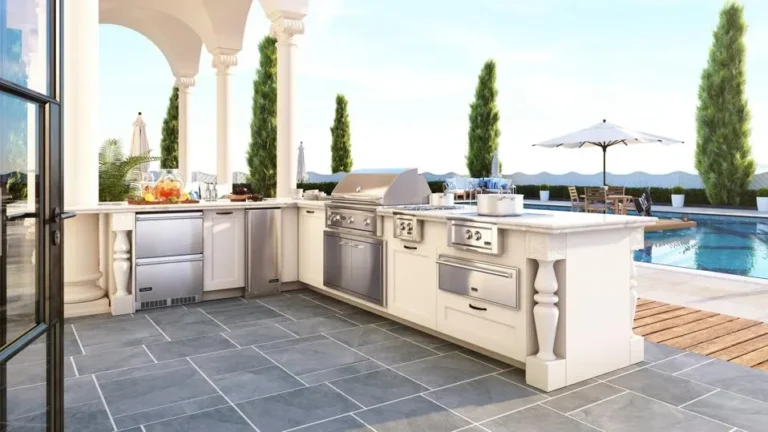
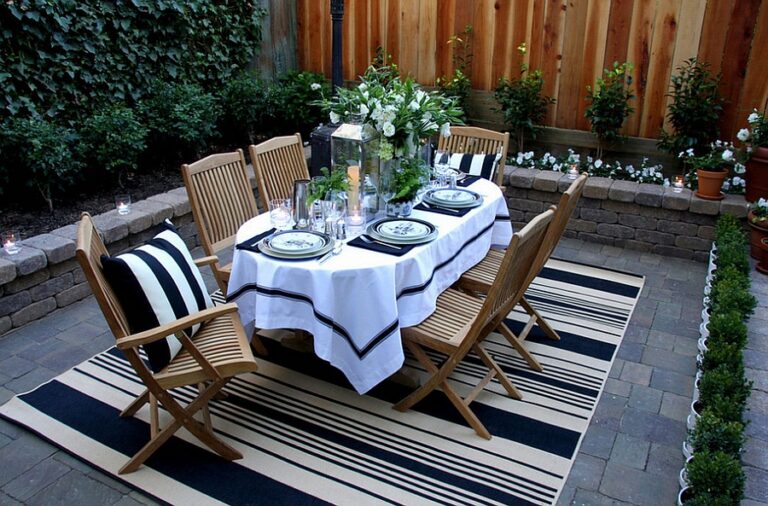
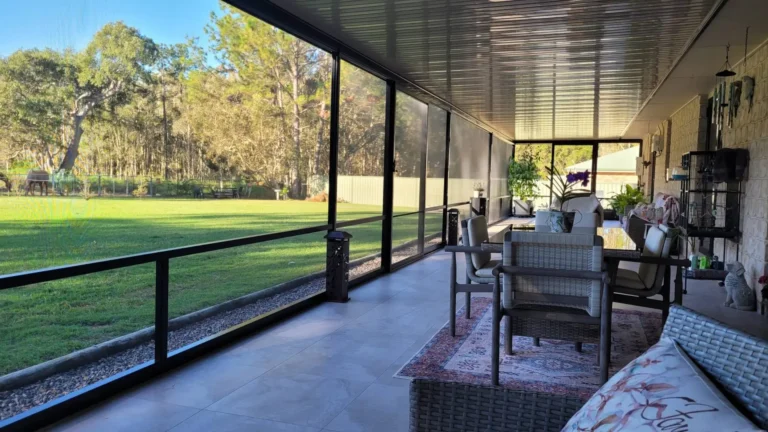
Exterior design shapes daylight, views, glare, and thermal experience. Thoughtful shading, fenestration, and transitions improve indoor comfort. Outdoor areas such as patios and decks benefit from considered integration with building edges, bridging interior and exterior living.
Environmental Impact & Sustainability
Good exterior design reduces energy waste, incorporates renewable integration, and enables sustainable water practices (rain capture, permeable elements). It reduces embodied carbon by selecting materials responsibly. Over a building’s life, these environmental benefits add up.
Resilience & Adaptability
As climate shifts, buildings need resilience. Exterior designs that allow adaptation either through modular upgrades, responsive systems, or retrofitting capacity help homes remain habitable and efficient in changing conditions.
Use Cases & Problem Solving
Below are specific scenarios where exterior home design solves real problems.
Hot, Humid Tropical Climate
Problem: Excess solar heat, humidity, heavy rains, and mold risk.
Solution: Use extended eaves, ventilated facades, deep shading fins, high-reflective surfaces, vertical green screening, and cross-ventilation strategies. Windows should use solar-control glazing, and façades should avoid flat, unbroken walls. This mitigates heat gain, keeps moisture out, and increases comfort.
Urban Infill / Tight Lot
Problem: Limited setback, privacy encroachment, reduced daylight.
Solution: Use screening elements, staggered façade planes, perforated metal screens or louvers, double-skin envelopes, and light wells to channel daylight to the interior. Façade articulation reduces visual bulk and improves scale. Exterior design becomes a mediator between neighbor constraints and occupant comfort.
Passive / Net Zero Intent
Problem: Achieving minimal energy consumption and sustainability goals.
Solution: Precisely orient the building to sun paths, integrate passive solar shading, high insulation, thermal mass, and BIPV facades. Exterior design is fully part of the energy system, not an afterthought. The skin becomes a contributor to performance, not just aesthetics.
Heritage Renovation
Problem: Preserving an older structure with poor energy behavior and dated façade.
Solution: Add an external shell with modern materials, insert shading devices, upgrade windows sympathetically, and reimagine the front façade to balance tradition and performance. Exterior design can bring heritage buildings into modern standards while honoring their character.
Multi-Use / Mixed Function Homes
Problem: A home with mixed zones (garage, workshop, living spaces) requiring different façade languages.
Solution: Segment façade treatments while maintaining harmony: robust, opaque cladding in service zones; transparent, screen-infused elements for daily living zones; transitional buffer zones (verandas, thresholds). Exterior design orchestrates these transitions, making functional complexity visually coherent.
Frequently Asked Questions
Q1: How do I choose the right exterior style (modern, traditional, transitional) for my area?
Consider the local architectural context (neighborhood style, climate), your personal taste, and performance needs. A transitional style often offers flexibility, combining classic proportions with contemporary materials. Use the precedent houses nearby as references. Also, evaluate how materials weather in your climate and whether style choices will age gracefully.
Q2: Does adding smart shading or responsive facades justify its cost?
It depends on climate, size, and energy patterns. In climates with large solar load swings, adaptive shading can reduce HVAC demand significantly and flatten peak loads. Over time, these energy and comfort gains can outweigh upfront cost, especially in premium or longer-lived homes. Hybrid approaches (static shading + limited dynamic elements) often offer a good balance.
Q3: Can I retrofit these exterior design strategies into my existing home?
Yes. Many tactics, including adding ventilated cladding layers, external shading additions, upgrading windows, and integrating renewable features, are retrofit-friendly. The key is to assess the existing structure, moisture risk, and load paths, and apply interventions that do not compromise durability or structure.