The Ultimate Home Renovation Guide: Smart Design, Modern Technology, and Inspiring Real-World Examples
Home renovation is one of the most transformative projects homeowners can undertake. It not only revitalizes outdated spaces but also improves comfort, energy efficiency, and property value. From updating interiors to incorporating smart technologies, a well-planned renovation can breathe new life into any home.
This comprehensive guide dives deep into the world of home renovation, covering design strategies, technological advancements, real-world renovation examples, and practical insights that help homeowners make informed decisions for long-lasting results.
Understanding Home Renovation
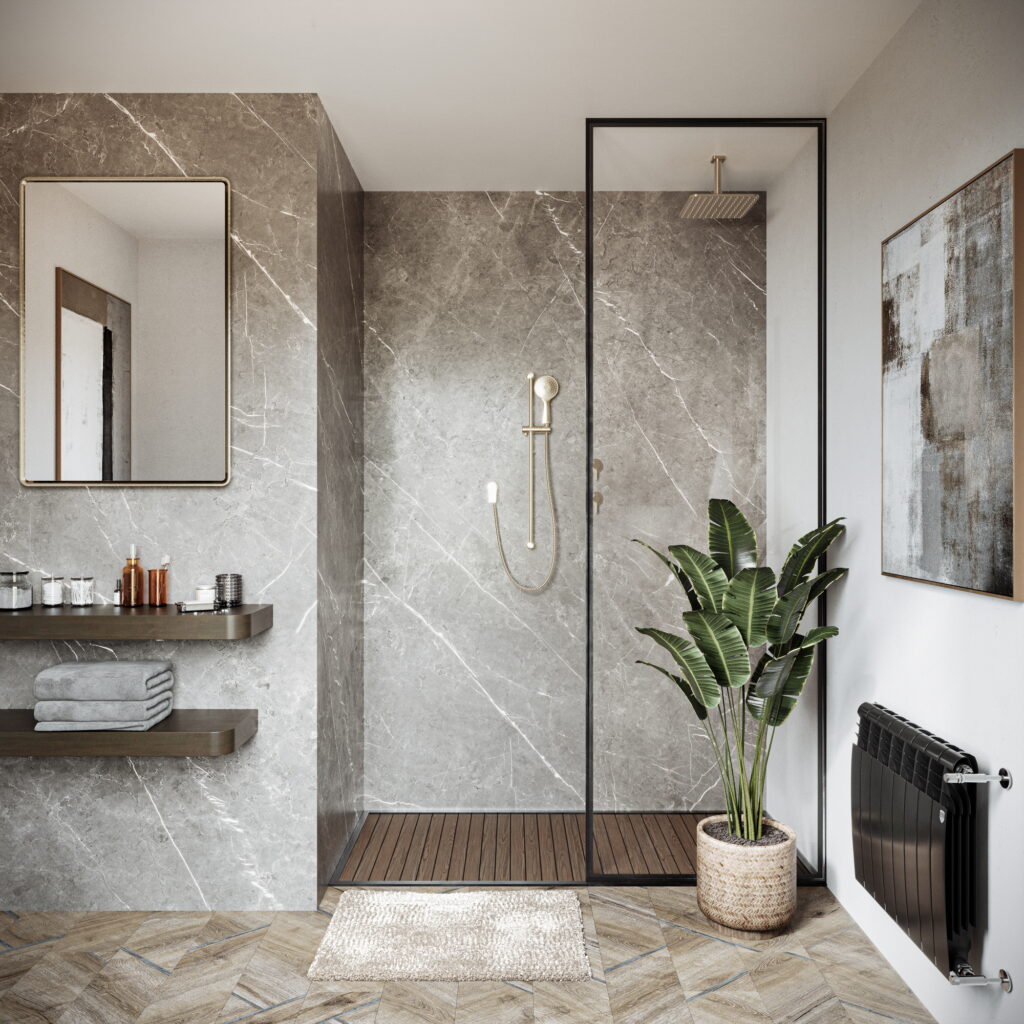
Home renovation involves restoring, updating, or reconfiguring parts of a home to meet current lifestyle needs, aesthetic preferences, or performance standards. Unlike remodeling, which may include structural changes, renovation typically focuses on improving existing features while enhancing functionality and style.
A renovation can range from repainting walls and upgrading flooring to modernizing kitchens, bathrooms, or entire living areas. It’s a balance between preserving character and adding modern convenience.
Whether it’s a historic property or a newer home, the renovation process offers an opportunity to improve energy efficiency, optimize space, and enhance everyday living comfort.
Key Components of a Successful Home Renovation
Planning and Design
Every successful home renovation starts with a clear plan. This involves defining project goals, setting a realistic budget, and creating a timeline. Engaging an architect or designer ensures that all structural and aesthetic elements align with your vision and local regulations.
Modern design software and 3D visualization tools help homeowners preview changes before construction begins. This not only minimizes costly mistakes but also allows customization in layout, color, and material selection.
Material Selection and Durability
Choosing high-quality materials is crucial to ensure durability and style consistency. Engineered wood, stone, and recycled materials are popular choices for floors, countertops, and walls. Sustainable options such as bamboo, cork, or reclaimed wood contribute to eco-friendly living.
Selecting materials that complement each other across rooms creates a seamless and cohesive look while minimizing long-term maintenance.
Energy Efficiency and Sustainability
Energy-efficient upgrades are now at the forefront of modern renovation. Homeowners are investing in better insulation, double-glazed windows, LED lighting, and solar panels to reduce costs and carbon footprints.
Smart thermostats, motion-sensor lights, and energy-efficient appliances further enhance performance and sustainability while improving comfort throughout the home.
Benefits of Home Renovation
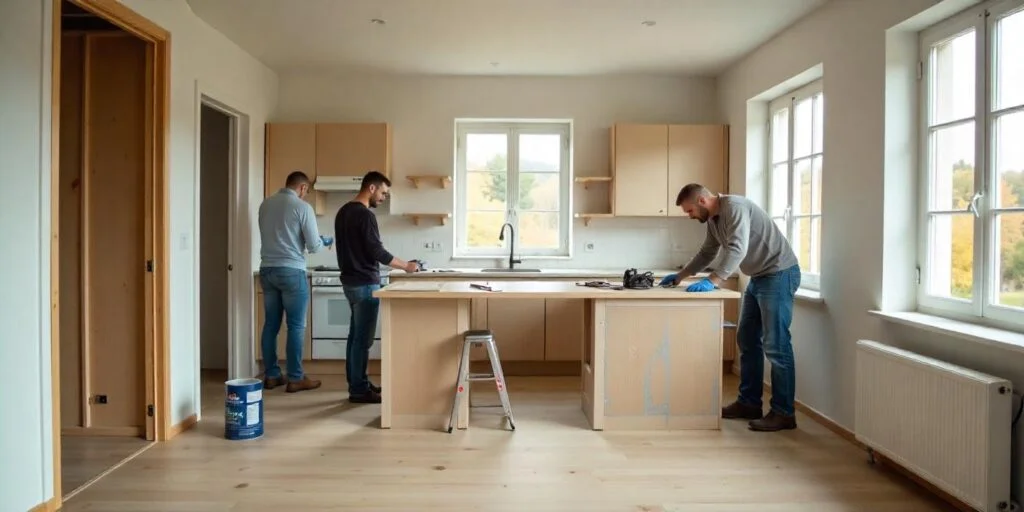
Renovating a home provides a wide range of benefits, from improved comfort to increased financial value.
Enhanced Functionality and Comfort
Home renovation enables homeowners to reconfigure spaces to better meet daily needs. For instance, open-plan living areas create better flow and connectivity, while additional storage or multifunctional rooms improve efficiency.
Comfort upgrades such as noise insulation, better lighting, and ergonomic layouts contribute to a more enjoyable living experience.
Increased Property Value
A well-executed renovation can significantly boost a property’s resale value. Kitchen and bathroom upgrades, modern finishes, and energy-efficient systems appeal to buyers seeking a turnkey home.
Investing in high-quality materials and timeless designs ensures that your renovation remains valuable for years to come.
Energy and Cost Efficiency
Upgrading to energy-efficient systems from appliances to HVAC reduces long-term operational costs. Solar panels, better insulation, and LED lighting cut utility bills and make your home more sustainable.
Aesthetic Transformation
Home renovation allows homeowners to refresh the look of their spaces, aligning aesthetics with modern design trends or personal preferences. Whether opting for minimalist designs, rustic charm, or luxurious finishes, renovations rejuvenate homes with personality and sophistication.
The Role of Technology in Home Renovation
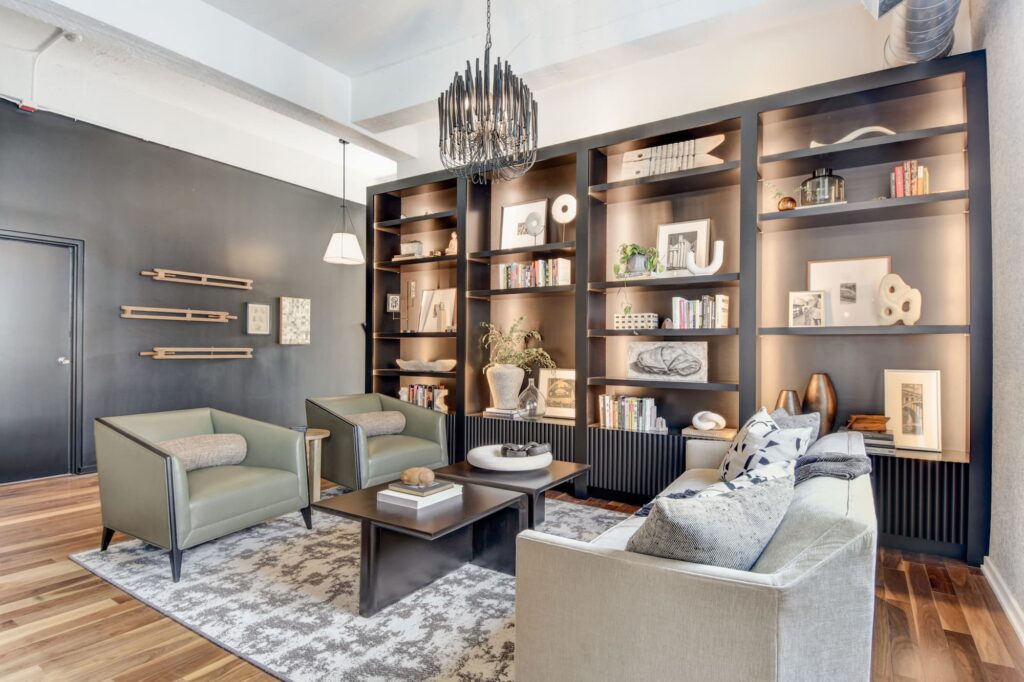
Technology has become an essential part of modern renovation, revolutionizing both planning and execution.
Smart Home Integration
Smart home technology enhances convenience and energy management. Systems like Google Home or Amazon Alexa allow users to control lighting, climate, and security remotely.
Incorporating smart thermostats, automated blinds, and connected lighting systems helps create an adaptive home environment that responds to lifestyle patterns.
3D Visualization and Augmented Reality
Before renovation begins, designers use 3D rendering and AR tools to visualize the outcome. This allows homeowners to explore design options, test colors, and evaluate layouts in real-time.
Software like SketchUp and Autodesk Revit helps minimize design errors, saving both time and money.
Sustainable Building Technology
Modern renovation embraces technologies like energy-efficient HVAC systems, water-saving plumbing, and sustainable insulation materials. These not only reduce environmental impact but also improve indoor comfort and performance.
Real-World Examples of Home Renovation Projects
Example 1: Urban Apartment Transformation
In New York City, an old apartment was transformed into a modern sanctuary. The renovation involved removing partitions to create an open-concept living space, integrating smart lighting, and upgrading insulation.
The result was a brighter, airier environment with enhanced energy efficiency and a contemporary aesthetic that maximized limited urban space.
Example 2: Sustainable Family Home Upgrade
A family in California undertook a renovation focused on sustainability. They added solar panels, upgraded to double-glazed windows, and used recycled wood for flooring. The project reduced energy bills by nearly 40% while maintaining a natural, inviting atmosphere.
This renovation demonstrates how eco-friendly design can deliver both aesthetic appeal and practical value.
Example 3: Historic Home Restoration
In Boston, a 19th-century Victorian home was renovated to retain its historic character while incorporating modern conveniences. The renovation included restoring original woodwork, updating electrical systems, and adding discreet smart home features.
The blend of preservation and modernization maintained the home’s heritage while improving livability and safety.
Example 4: Compact Home Expansion
A homeowner in Denver expanded their small residence by adding a glass sunroom and reorganizing interior space. The use of natural light and minimalistic design created a larger, more connected environment without changing the home’s footprint.
This example shows how thoughtful renovation can maximize functionality even in limited spaces.
Practical Use Cases of Home Renovation
Adapting to Changing Lifestyles
Renovation allows homes to evolve alongside their occupants. Families can convert spare rooms into home offices, gyms, or guest suites, supporting remote work and flexible living.
Addressing Maintenance and Structural Issues
Renovation projects often reveal underlying issues such as outdated wiring, leaks, or poor insulation. Fixing these during renovation enhances safety and longevity.
Enhancing Accessibility
For aging homeowners or those with mobility challenges, renovation can introduce ramps, grab bars, and wider doorways, ensuring independence and comfort.
Reducing Environmental Impact
Implementing sustainable materials and energy-efficient technologies minimizes a home’s carbon footprint, aligning modern renovation practices with environmental responsibility.
Benefits of Using Technology in Home Renovation
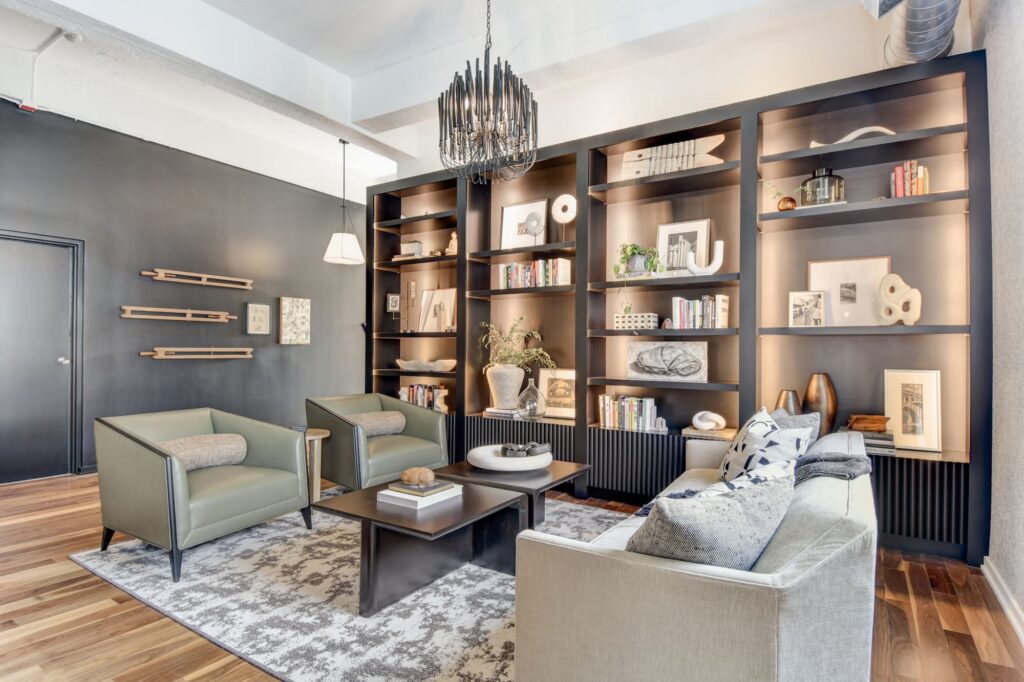
Technology streamlines renovation from planning to execution.
Precision and Efficiency
Digital design tools and AI-based estimators allow more accurate planning, budgeting, and time management. This precision ensures smoother execution and fewer costly revisions.
Comfort and Control
Smart systems provide homeowners with full control over their environment. Automated lighting, temperature regulation, and security features make daily living more convenient and personalized.
Long-Term Cost Savings
Smart thermostats, solar systems, and water management technologies significantly reduce energy and maintenance costs. Over time, these innovations provide a high return on investment.
Frequently Asked Questions
1. What’s the difference between renovation and remodeling?
Renovation focuses on improving existing features and restoring functionality, while remodeling involves structural changes to alter layouts or expand space.
2. How long does a home renovation usually take?
The duration depends on the project’s scope; small renovations may take a few weeks, while full-home renovations can last several months. Proper planning helps reduce delays.
3. What areas of a home add the most value when renovated?
Kitchens, bathrooms, and energy-efficient systems tend to offer the highest returns. Curb appeal improvements like updated siding or windows also contribute significantly to home value.