Stunning Outdoor Kitchen Designs: Ideas, Innovations & Best Practices
An outdoor kitchen is more than simply a grill under the open sky. It’s an extension of living space, a place for entertaining, cooking, and enjoying nature while blending form and function. In this article, we explore in depth outdoor kitchen designs from core principles and emerging technologies, to real-world examples, benefits, use cases, and FAQs.
Core Principles of Outdoor Kitchen Design
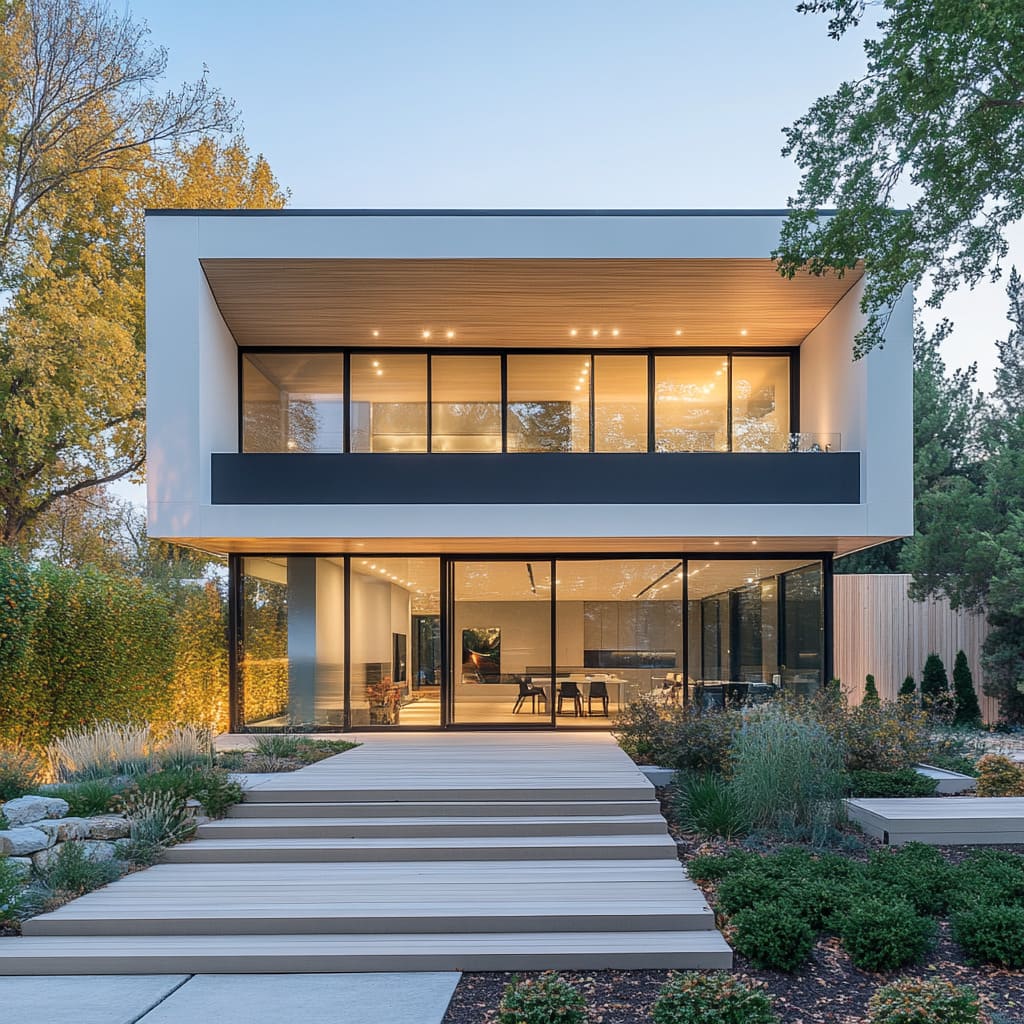
Outdoor kitchen design is a specialized discipline that combines architecture, landscape design, building performance, and culinary hospitality. When done well, it transforms a backyard into a functional and beautiful outdoor living hub.
Spatial Planning & Layout
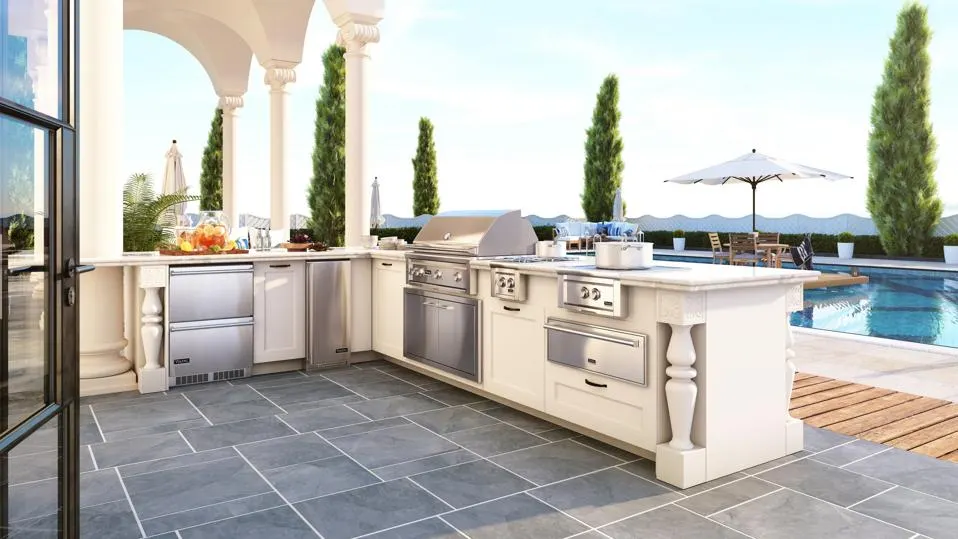
Successful outdoor kitchen design begins with a smart layout. You must consider workflow (cooking, prep, cleaning, serving) and circulation. The classic “work triangle” (grill, sink, refrigerator) still applies, but outdoor kitchens often include additional zones bar, counter seating, storage, and lounges.
Since they’re outdoors, the layout must also respond to environmental constraints: wind direction, sun path, drainage, and sightlines. For instance, placing the grill away from prevailing winds prevents smoke intrusion. Overhead structures (pergolas, roofing) influence how appliances and surfaces are arranged. The layout should integrate with surrounding patios, decks, and landscape.
Material Selection & Durability
Because outdoor kitchens are exposed to weather, material choice is critical. Durable, weather-resistant, low-maintenance materials must be prioritized.
-
Stainless steel is a go-to for appliances and cabinetry exteriors, resisting corrosion and easing cleaning.
-
Stone, granite, or engineered concrete worktops resist heat, moisture, and staining.
-
Weatherproof cabinet materials such as powder-coated metals, marine-grade plywood, or weather-resistant laminates extend lifespan.
-
Tile and glass mosaics for backsplashes can add visual character and protection for walls behind cook zones.
-
Proper drainage, flashing, overhangs, and sealants guard against water intrusion and freeze damage (where applicable).
Integration with Landscape & Environment
A compelling outdoor kitchen design doesn’t stand alone; it harmonizes with the landscape and site. It may nestle under trees, frame a view, or align with garden beds and water features. Use of vertical elements (trellises, planters) softens hard kitchen edges. Shade structures (pergolas, retractable awnings) protect from the sun and rain, making the kitchen usable across weather conditions.
Lighting, ambient sound, and wind protection (screens, low walls) are essential for comfort. Materials, colors, and textures should echo the home’s exterior style and surrounding landscape palette, so the outdoor kitchen feels part of a cohesive whole.
Technology & Innovation in Outdoor Kitchen Designs
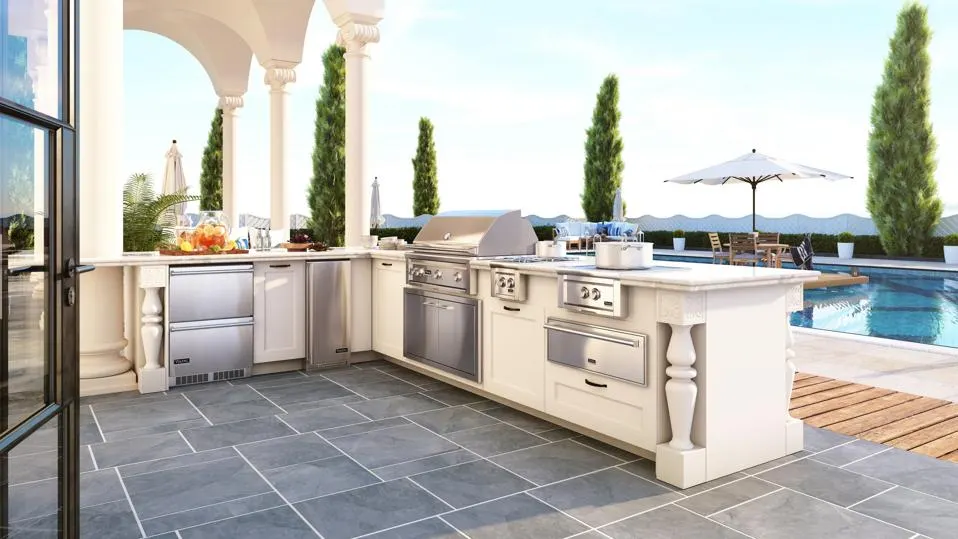
Modern outdoor kitchens increasingly incorporate technology to elevate functionality, efficiency, and user experience. Below are key innovations.
Smart & Modular Systems
Outdoor kitchens are no longer static islands only. Modular systems allow flexibility and scalability. For example, modular cabinetry and appliance blocks (sink modules, grill modules, refrigeration) can be rearranged or upgraded over time.
Smart controls are entering the outdoor space grills with digital temperature control, remote monitoring, lighting automation, and app integrations. These features let users manage cooking, heat levels, and lighting without constant manual adjustment.
Advanced Materials & Fabrication
Advancements in material science are shaping outdoor kitchens:
-
High-pressure lamination (HPL) panels with UV stabilization can clad outdoor cabinets while resisting fading and delamination.
-
Porcelain and sintered stone countertops offer near-impervious surfaces to stains and moisture.
-
Thermally modified timber (wood modified via heat process) is more dimensionally stable and moisture-tolerant, suitable for accent cladding.
-
Fiber-reinforced concrete and lightweight structural composites allow elegant, custom shapes without excessive weight.
-
Prefabricated panel systems with integrated conduits, drainage, and mounting simplify on-site assembly.
Climate-Adaptive Features
In cooler or highly variable climates, outdoor kitchens increasingly include heaters (infrared, gas, electric), windbreak panels, and retractable roof systems. In hot climates, integrated misting systems, shade sails, and ventilation channels help maintain comfort.
Some designers incorporate smart sensors that monitor humidity, temperature, and wind speed to trigger shading or close protective elements automatically. These systems help ensure the kitchen remains usable in changing weather without manual intervention.
Real-World Examples & Use Cases
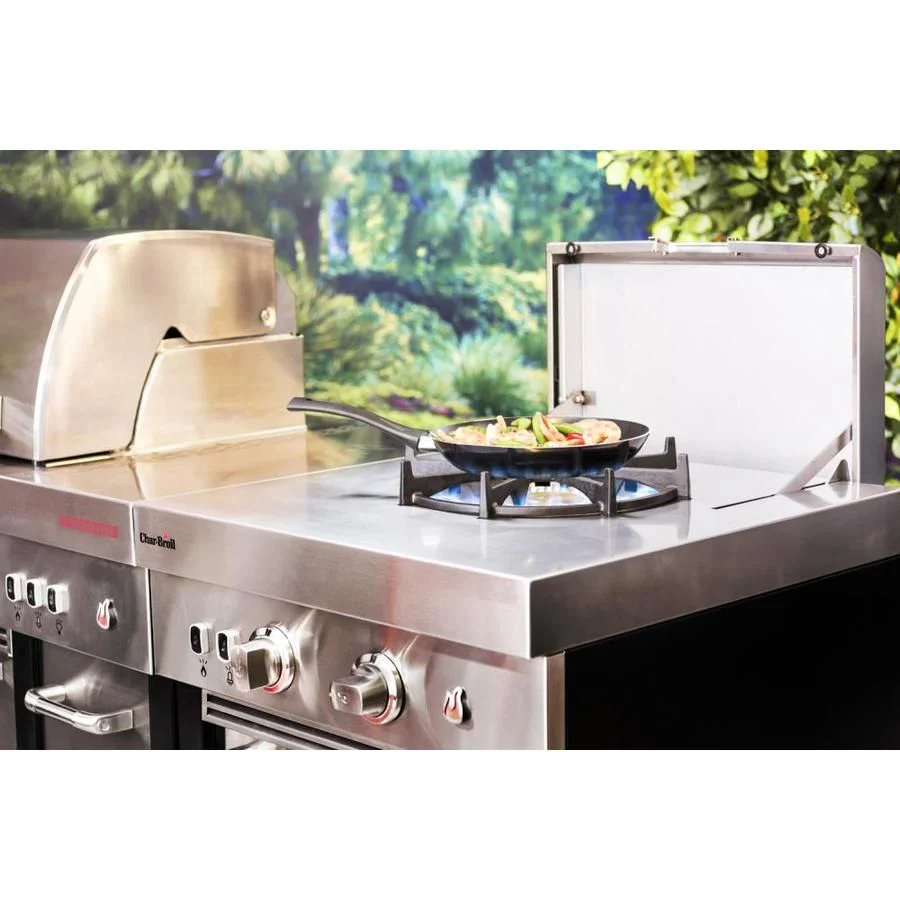
Here are four illustrative real-world items or systems relevant to outdoor kitchen designs. Each demonstrates different scales, technologies, or modular strategies.
Char‑Broil Medallion Series Vista Outdoor Kitchen
This is a modular outdoor kitchen island system combining a stainless steel grill core with configurable modules: storage, side burners, refrigeration, and more. Its modularity allows homeowners to scale their outdoor cooking setup over time. The system emphasizes durability and flexibility, ideal for those who wish to start modestly and expand later. The stainless steel construction ensures weather resistance, and the modular architecture enables composition customization according to site and cooking needs.
Outdoor Kitchen Island S ‑ DIY Plan
This is a DIY plan for a compact outdoor kitchen island, suited for smaller patios or budget-conscious projects. The plan lays out placement for a grill, prep counter, and possible sink space. Because it’s a plan rather than a full prefab, it illustrates how homeowners or builders can adapt designs to site constraints. It emphasizes layout logic and scalability for integration with existing outdoor spaces.
Coleman Revolution Storage Unit – Modular Outdoor Kitchen
This storage module is designed to be part of a larger outdoor kitchen ecosystem. As a modular storage and prep surface component, it demonstrates how segmented units (cabinets, drawers, worktops) can be configured in various arrangements. In a full design, these modules can flank grills, sink zones, or beverage areas, offering flexibility in composition while maintaining aesthetic consistency.
Outdoor Kitchen Ideas That Work
While not a physical kitchen, this book is a rich source of practical designs, layout strategies, and inspiration from real projects. It covers a range of design styles, materials, and integration techniques. As a reference, it helps designers and homeowners explore tested ideas serving as a conceptual toolkit that can inform layout, material choice, and problem-solving in outdoor kitchen design.
Each of these examples shows a different facet: modular prefab systems, plan-level customization, component modules, and conceptual inspiration. Together, they reflect how outdoor kitchen design is multifaceted, from hands-on building to modular systems to creative direction.
Benefits & Practical Advantages

A well-designed outdoor kitchen offers numerous real-world benefits. Below is a detailed explanation of each major advantage and how they translate into everyday value.
Enhanced Lifestyle & Entertainment
An outdoor kitchen transforms a backyard into a social hub. Family gatherings, barbecues, and alfresco meals become more fluid when cooking and dining happen in the same space. It encourages more time spent outdoors, fosters connection among guests and hosts, and extends living space beyond interior walls.
Increased Property Value
Outdoor kitchens can increase a home’s resale appeal and value. In climates where outdoor living is feasible, buyers often regard them as premium features. Because they expand functional square footage and lifestyle amenities, they can justify higher listing prices. However, the increase depends on design quality, materials, and local market demand.
Energy & Smell Management
By cooking outdoors, heat and odors remain outside rather than entering the interior. This reduces the burden on indoor HVAC systems and keeps indoor air cleaner. In warmer months, the interior stays cooler, reducing energy use tied to ventilation and cooling. Moreover, venting space for smoke or exhaust over a grill can be simpler outdoors, reducing complications from indoor exhaust requirements.
Durability & Low Maintenance
A thoughtfully materialized outdoor kitchen resists weathering and minimizes upkeep. Choosing stainless steel, engineered surfaces, and proper drainage ensures longevity. Because cleaning and maintenance are designed into it explicitly, the kitchen remains functional and aesthetic over many years with minimal intervention.
Functional Efficiency & Convenience
Modern outdoor kitchens integrate all essential zones: cooking, prep, refrigeration, and cleaning, eliminating the need to cross into the interior repeatedly. This reduces workflow friction during large meals or events. The space becomes self-contained and efficient, maintaining rhythm and convenience during entertaining.
Adaptability & Incremental Growth
Designs using modular systems or phased construction allow the outdoor kitchen to evolve. Homeowners can start with a grill and counter, then add modules like refrigeration, pizza ovens, or bar units later. This adaptability helps manage budgets and respond to changing needs over time.
Use Cases: Solving Real Problems
Here are practical scenarios where outdoor kitchen designs address real-life challenges and why they’re effective.
Use Case 1: Small Backyard, High Function
Problem: Limited space makes a full outdoor kitchen daunting.
Solution: Using compact modules and combining vertical storage, foldable counters, and integrated appliances, a functional outdoor kitchen can fit into a tight footprint. The layout emphasizes efficiency, minimal walking distances, narrow but deep counters, and stacked zones. This design solves the problem of limited area while delivering enough capability for entertaining.
Use Case 2: Hot & Sunny Climate
Problem: Intense sun and heat make outdoor cooking uncomfortable and reduce the longevity of exposed equipment.
Solution: Incorporate shade structures (coverings, pergolas, retractable roofs), use heat-resistant materials (stone, stainless), include ventilation and generous overhangs, and place cooking equipment in shaded or protected zones. Add cooling features (misting systems, fans). The design ensures that the outdoor kitchen remains usable even in strong sunlight while protecting materials from UV degradation.
Use Case 3: Entertaining & Hosting Events
Problem: Frequent outdoor events require seamless cooking, serving, and guest interaction.
Solution: Design with zones for food prep, plating, refrigeration, and serving. Include counter seating or bar areas facing guests. Provide lighting, weather protection for night use, and integrated serving shelves. The layout ensures the cook remains engaged with guests instead of isolated behind the grill. The outdoor kitchen becomes a social stage that supports turning gatherings into experiences.
Use Case 4: Retrofitting Existing Patio
Problem: The home has a patio or deck but no outdoor kitchen infrastructure.
Solution: Retrofit with modular kitchen components that adapt to the existing hardscape. Add plumbing and electrical connections discreetly. Use lightweight prefabricated modules that anchor onto existing surfaces. This approach avoids major demolition, leverages existing space, and upgrades functionality with minimal disruption.
Use Case 5: Seasonal or Climate-Variable Use
Problem: In climates with rainy or cold seasons, the outdoor kitchen could be underutilized or damaged when idle.
Solution: Incorporate enclosure options (fold-down walls, screens, sliding doors), durable covers, and climate-responsive design (heaters, wind protection). Use materials rated for freeze-thaw cycles and minimal maintenance finishes. The kitchen remains protected during the off-season yet ready for use when conditions are favorable.
Frequently Asked Questions
Q1: How much space do I really need for an outdoor kitchen?
While a very compact outdoor kitchen can be squeezed into as little as 8’×8′ (2.4 m × 2.4 m) with a grill, prep counter, and storage, more functional layouts often start at 10’×12′ (3 m × 3.6 m) or larger. The key is enough linear run for the workflow without excessive footprint. It’s better to design for comfortable movement, venting, and adjacency to dining zones than obsess over minimal dimensions.
Q2: What type of appliances should I prioritize in my outdoor kitchen?
Prioritize core cooking and cleaning functions: a quality grill or cooktop, a sink with plumbing, counter space for prep, and refrigeration or an ice unit. Beyond that, depending on budget and vision, add side burners, pizza ovens, warming drawers, or beverage stations. Planning zones early ensures upgrades integrate cleanly.
Q3: How do I protect my outdoor kitchen from weather and wear?
Protection comes through design and material selection. Use overhangs, roofing, or pergolas to shield from rain and sun. Choose weather-tolerant materials (stainless steel, stone, UV-rated composites). Seal joints properly, incorporate drainage, and use flashing to divert water. When idle, use fitted covers, closeable storage doors, and seasonal maintenance to preserve longevity.