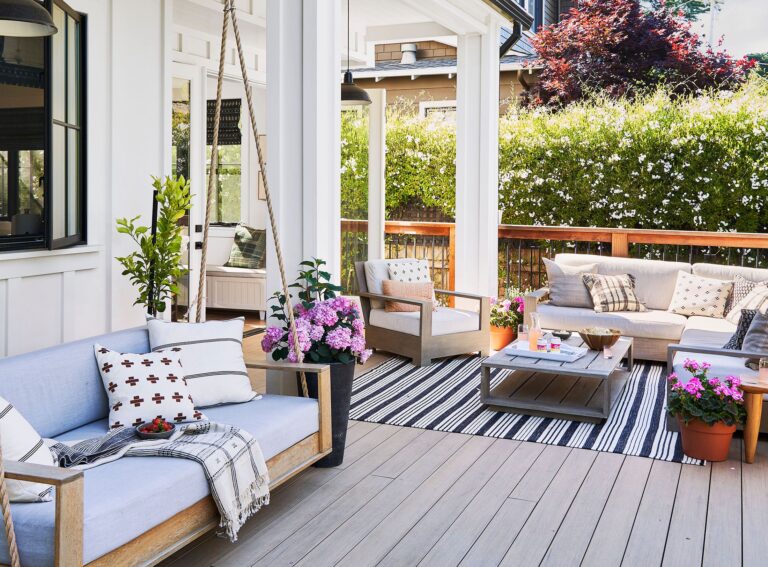
Inspiring Patio Ideas: Designs, Innovations & Real-World Examples
A well-designed patio can transform your outdoor living, offering a space for relaxation, socializing, and connection with nature. In this guide, we dive deep into patio ideas, covering core principles, innovations, real examples, benefits, use cases, and FAQs. Whether you’re designing from scratch or updating an existing area, this resource offers comprehensive insight.
Core Concepts & Design Principles
Purpose, Zoning & Flow
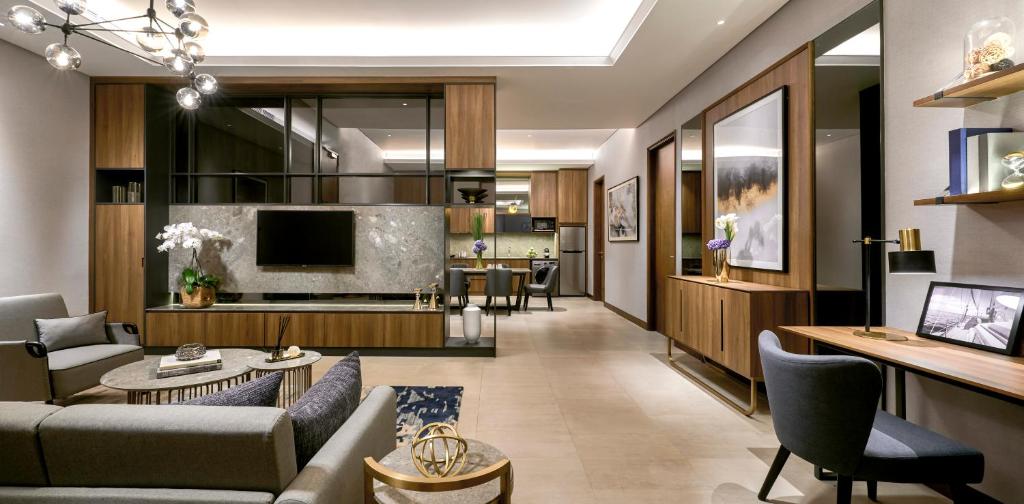
The first step in developing patio ideas is defining how you’ll use the space. Do you plan to host dinners, lounge with a book, accommodate children, or combine functions? Your intended use drives layout decisions. Design zoning for dining, lounging, circulation, planting, and optional cooking or fire features.
Flow matters: ensure paths between zones are natural and unobstructed. Align the patio with doors and views, and avoid forcing traffic across seating or planting beds. In many successful patio ideas, subtle transitions varying paver patterns, step levels, or changes in material tone guide movement without strict divisions.
Material Choices & Surface Treatments
Patios endure weather, foot traffic, and possibly shifting soil. Good patio ideas start by selecting durable, climate-appropriate materials:
-
Pavers (concrete, stone, brick): Classic and flexible. Use large formats or varied patterns to reduce visual clutter and help the area feel more spacious.
-
Porcelain or sintered tile slabs: Low absorption, fade-resistant, modern aesthetic.
-
Stamped or stained concrete: More budget-friendly, though the quality of finish is crucial.
-
Composite decking or wood-look boards: Useful for raised patios or transitions.
-
Gravel or decomposed granite: Permeable, casual look, useful in styles like Mediterranean or rustic.
-
Stepping stone paths with interstitial planting: A soft contrast to hard paving.
In patio ideas, the way materials meet joint spacing, edge restraints, and drainage slopes can make or break durability. Always detail transitions (to the house, to planting beds, to water features) with proper edging or flashing.
Integration with Landscape, Shade & Vegetation
A patio is not just a hard floor; it should harmonize with the surrounding garden and environment. Some key patio ideas in integration:
-
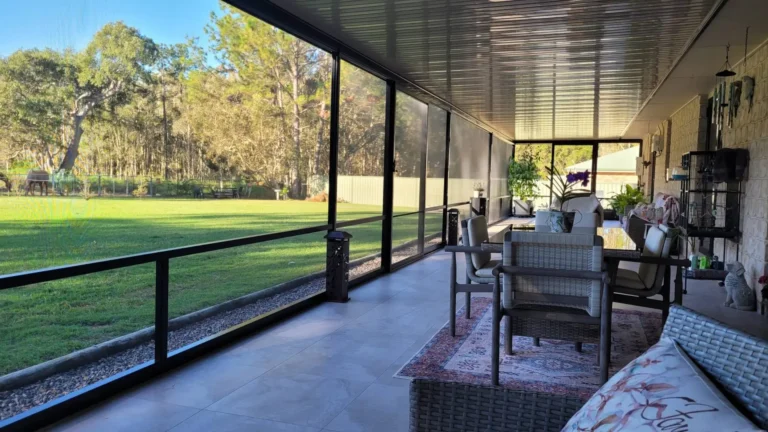
Use pergolas, shade sails, or retractable awnings to provide comfort and define the zone. (Pergolas are classic architectural structures composed of vertical posts supporting crossbeams and often used in gardens for shade.)
-
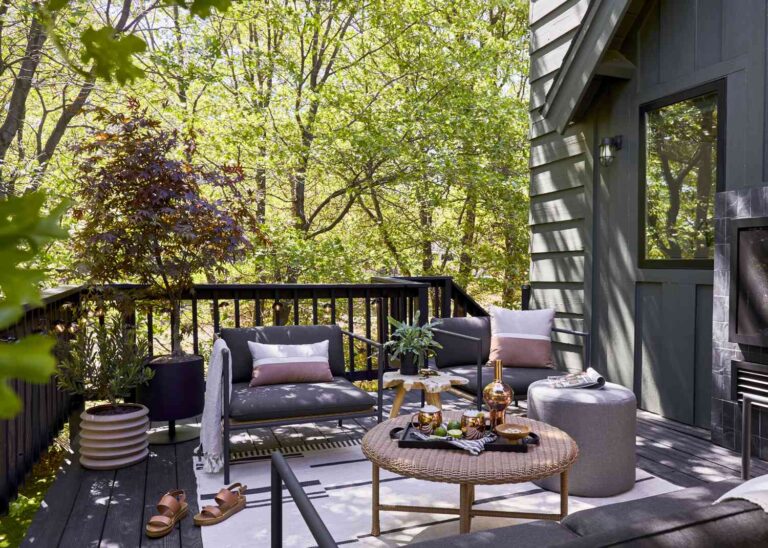
Introduce vertical green elements: climbing plants, trellis walls, or vertical planting to soften edges and add intimacy.
-
Frame views or focal points with plant masses, sculpture, water features, or accent lighting.
-
Use level changes, steps, or retaining walls to adapt patios on sloped sites, creating terraces or layered zones.
-
Coordinate materials and color palette with the house exterior and surrounding planting for visual continuity.
By embedding patios into the larger landscape composition, patio ideas feel intentional, not just “added on.”
Technology & Innovation in Patio Ideas
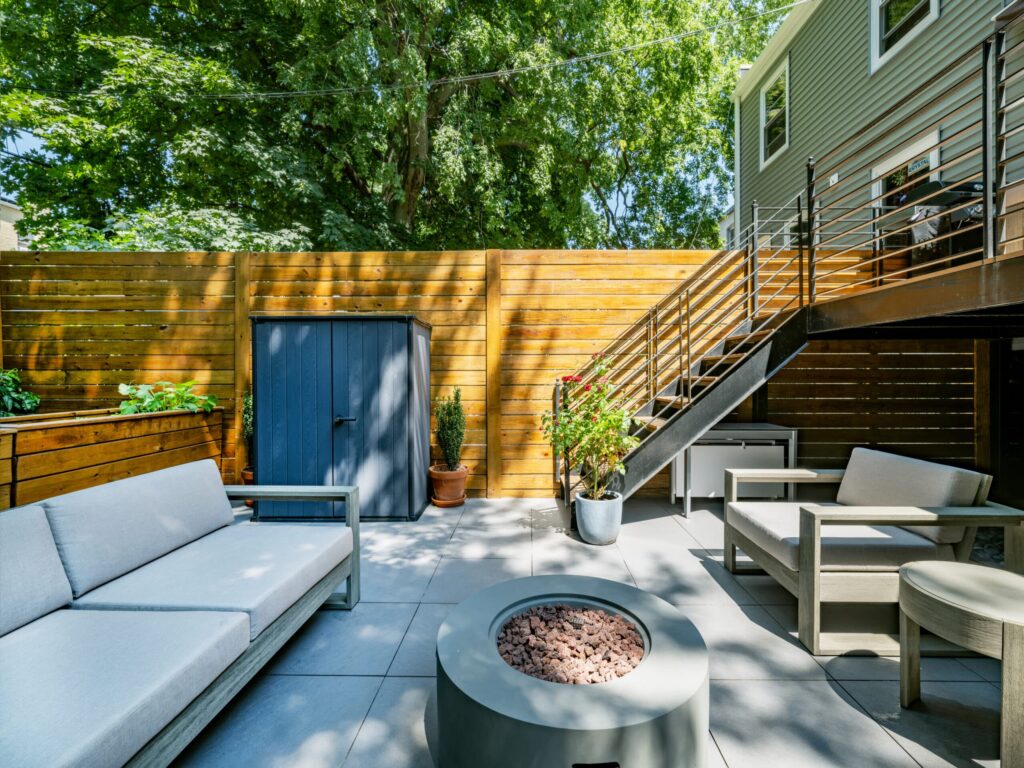
Modern patio design increasingly embraces technology and modular systems to elevate comfort and adaptation. Below are key technological dimensions and how they influence patio ideas.
Smart Shade & Environmental Control
Many contemporary patio ideas include motorized shading systems, retractable awnings, louvered pergolas, or rolling screens. These can link to sensors (sun, wind, rain) that automatically adjust shading to keep users comfortable. This reduces manual effort and maximizes usability under varying conditions.
Lighting also benefits from smart controls: integrated LED strips, color-tunable lighting, motion sensors, and app-based scheduling allow patios to shift atmosphere seamlessly from daytime to evening. For example, brightness can dim for relaxation or brighten for dining.
Weather sensors can trigger protective responses, closing retractable roofs, rolling up screens, or activating cover, preserving both usability and the integrity of the installations.
Prefabricated & Modular Systems
Some of the best patio ideas now rely on modular or prefabricated patio systems. These include:
-
Pre-made pergola frames with built-in wiring conduits and attachment points.
-
Modular paving units (interlocking slabs) that speed installation and simplify replacements.
-
Raised decking units or platform modules that can be rearranged or expanded.
-
Prewired lighting modules, plug-and-play sensors, or built-in receptacles to minimize on-site complexity.
Using modular systems helps maintain consistency, reduce labor costs, and enable future upgrades.
Simulation, Visualization & Material Testing
Designers now use 3D renderings, AR/VR previews, and solar/shadow simulations to test patio ideas before implementation. These tools let clients see how light falls, how plant shadows move, and how materials look under varying conditions.
Physical mock-ups or sample slabs are often placed on-site to evaluate how textures, colors, and temperatures perform under real weather. This preemptive testing helps avoid mismatches or surprises later.
Real-World Examples & Use Cases
Below are four real-world patio ideas or products that illustrate design principles and technological integration. I describe how each example fits into the larger concept of patio design.
Gardeon 4‑Piece Outdoor Sofa Set
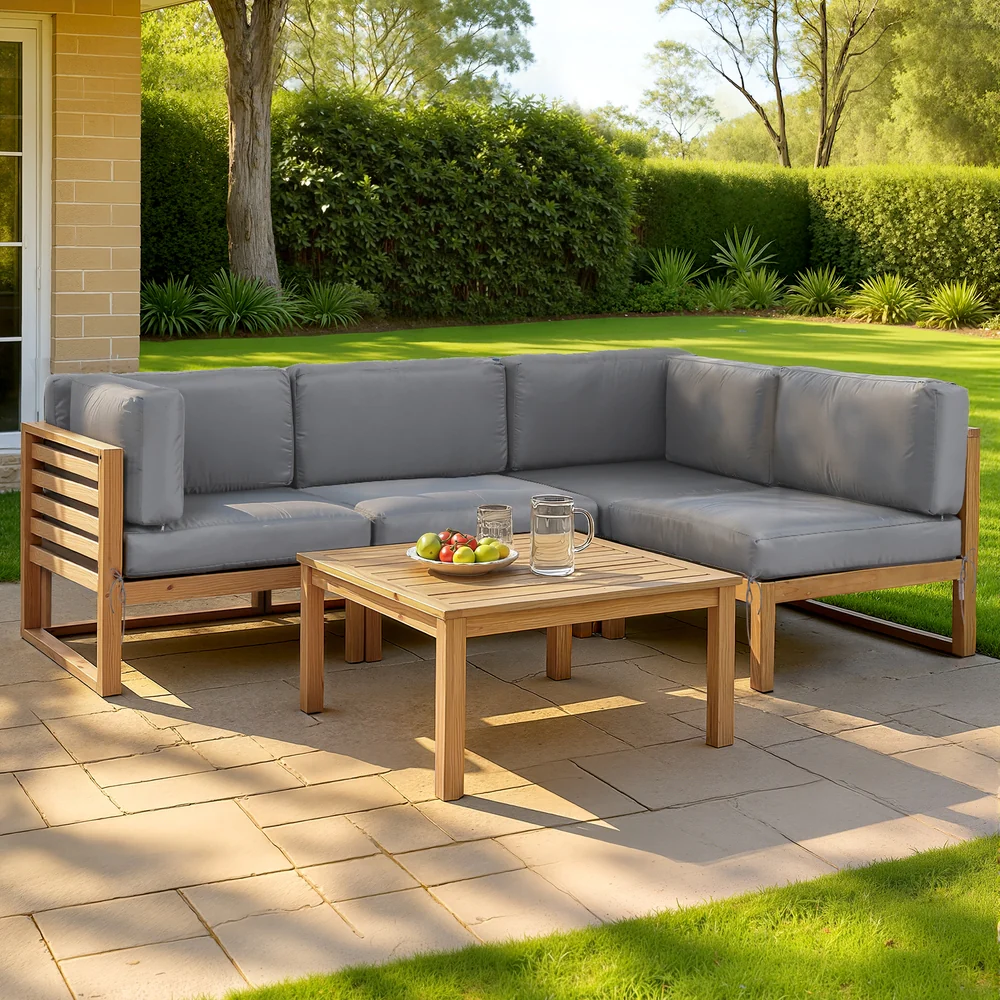
This modular rattan sofa set demonstrates how adaptable furniture becomes part of successful patio ideas. Because it can be arranged in multiple configurations (L-shape, separate chairs, linear), it supports various seating zones. Its neutral palette and clean lines integrate well with modern or transitional patio styles. The modular nature also allows re-planning layouts over time.
Devoko Outdoor Patio Furniture Set
This rope-woven sectional set fits into a lounge-style patio idea, focusing on comfort, durability, and ergonomic form. The woven texture offers visual interest while remaining weather-tolerant. In patio ideas, using sectional units helps define zones without physical barriers, creating cozy groupings that maintain open flow.
3‑Piece Patio Conversation Bistro Set
This compact bistro set suits narrow or small patios. As a patio idea, it proves that even limited space can be functional and stylish. It can occupy corners or transitional zones, adding seating without dominating the layout. The glass table top and slender frames help maintain visual openness.
Nestl 4‑Piece Outdoor Patio Furniture Set
This furniture set is robust and balanced, suitable for medium to large patios. In patio ideas, such a set becomes a central anchor for larger seating zones, often paired with shade structures, coffee tables, and decorative elements. Its proportions help balance the space and encourage conversation areas.
Each example shows how furniture selections anchor patio ideas, rather than being afterthoughts. In good patio designs, furniture, hardscape, shade infrastructure, and circulation all act as cohesive parts.
Benefits & Practical Advantages
Patio ideas, when properly realized, offer more than visual appeal. They deliver functional benefits that improve quality of life and property value.
Extended Living Space
A well-designed patio essentially becomes another “room” outdoors. It expands functional square footage, enabling dining, relaxation, entertainment, or quiet contemplation in the pen air. This extension increases the usage of exterior areas, turning them into habitual gathering spots.
Enhanced Property Appeal & Value
Patios increase a home’s aesthetic and market appeal. Home buyers often view quality outdoor spaces as desirable amenities. A thoughtfully laid-out and well-finished patio can raise perceived property value, especially in climates that support year-round outdoor activity.
Climate Buffering & Comfort
Patios contribute to passive climate control. Shade structures and patios oriented and proportioned appropriately reduce direct solar gain into the house, lessening cooling loads. In hot climates, patios provide shaded outdoor areas that are cooler and more comfortable than a bare yard. Evening cooling, breeze flow, and strategic landscaping enhance comfort further.
Durability & Low Maintenance
When patio ideas incorporate durable materials and proper detailing, maintenance stays minimal. Surfaces resistant to stains, fading, and moisture preserve aesthetics. Good drainage, sealed joints, and protected transitions reduce wear. This means fewer repairs, lower long-term cost, and sustained appeal.
Flexibility & Adaptability
Patios built with modular, flexible layouts can evolve. You can shift furniture, redefine zones, or add features like fire pits, cooking islands, or pergolas later. This adaptability makes patio ideas future-proof, accommodating a changing lifestyle or budget.
Environmental & Water Management
Some patio ideas incorporate permeable paving, which allows ground infiltration and reduces storm runoff. Landscaping integration with native plants promotes biodiversity and reduces irrigation needs. Use of recycled or sustainably sourced materials further lowers environmental impact.
Use Cases: Real Problems & Patio Design Solutions
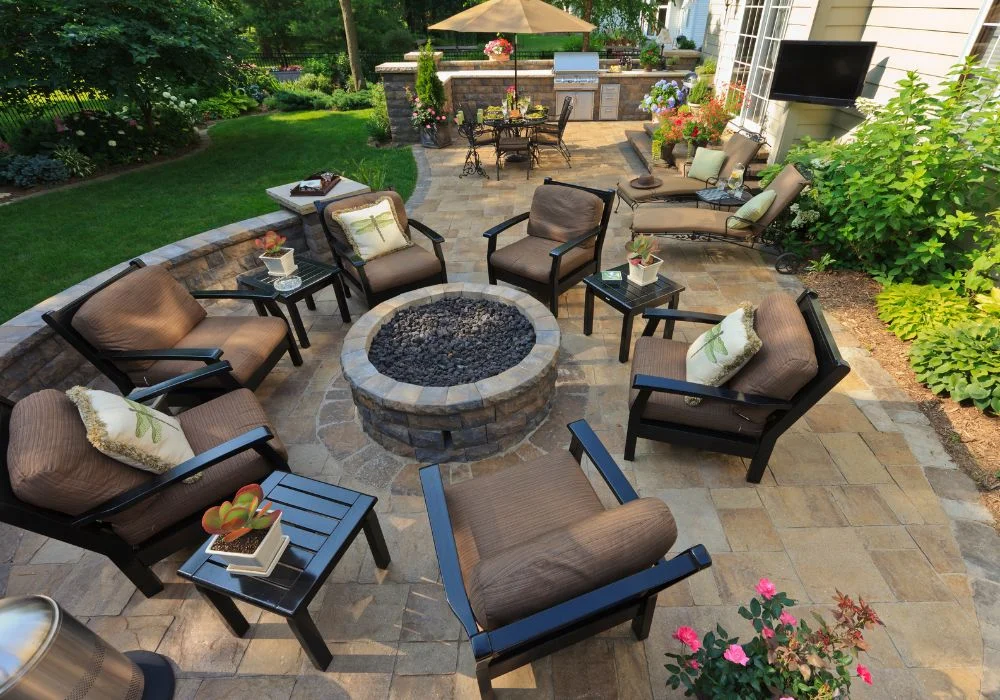
To illustrate how patio ideas solve real challenges, here are several practical use cases and design responses.
Use Case 1: Narrow Side Yard
Problem: Limited width and proximity to house walls make full patios difficult.
Solution: Use linear layout, narrow modular furniture, stepping-stone pathways, and vertical screening. Place bistro sets or single seating along the wall, and use climbing greenery to soften boundaries. These patio ideas allow utility in tight corridors without crowding the walk.
Use Case 2: Hot, Sunny Climate
Problem: Direct sun and UV exposure make patios uncomfortable midday and damage materials.
Solution: Incorporate solid or louvered shading, orient pergolas for seasonal sun angles, use lighter surfaces, and maintain airflow. Link shade to sensors for automatic response. These patio ideas maintain usability while preserving furniture and finishes.
Use Case 3: Entertaining & Large Gatherings
Problem: Need multiple zones (seating, dining, bar, circulation) without chaos.
Solution: Use e open layout with clear circulation aisles, designate zones with material differentiation (e.g., different paver patterns), and integrate lighting and seating orientation. Use modular furniture so zones can merge or separate as needed. These patio ideas support dynamic usage.
Use Case 4: Sloped Terrain
Problem: Yard slopes make flat patio areas difficult.
Solution: Use terracing, retaining walls, stepped platforms, or raised decks to flatten usable zones. Connect terraces with steps or low walls. Use patios at multiple levels to branch functions (lounging, dining, fire area). These patio ideas transform slope challenges into layered visual interest.
Use Case 5: Seasonal or Variable Use
Problem: Patios are underutilized during rainy or cooler seasons.
Solution: Add retractable awnings, screens, heaters, or a partial enclosure. Use durable and weather-rated materials. Link shading and covers to sensors that respond to conditions. These patio ideas ensure year-round utility rather than seasonal limitation.
Frequently Asked Questions
Q1: How large should my patio be for comfortable use?
It depends on the intended use and furniture scale. As a guideline, leave at least 36–48 inches (90–120 cm) of circulation space around seating. Dining sets should allow clearance for chairs to pull out. For lounge areas, 10’×12’ (around 3×3.6 m) often gives a comfortable room. Adjust according to the site and use.
Q2: What materials resist the weather best for patios in humid climates?
Porcelain tile slabs, dense natural stones (granite, slate), quality pavers, composite decking, and sealed concrete perform well. Avoid porous materials that absorb moisture and degrade. Use appropriate joint sealants and ensure proper drainage to limit water infiltration.
Q3: Can I retrofit lighting, shading, and infrastructure after the patio is built?
Yes, with planning. Conduits or sleeves under pavers can accommodate future wiring. Shade structures can be anchored later if foundations are prepared. Modular lighting systems or smart controllers can be added. However, integrating infrastructure during initial construction reduces complexity, so it’s wise to anticipate upgrades when designing patio ideas.