Top Remodeling Contractors: How to Choose, Benefits, and Real-World Examples for Successful Home Upgrades
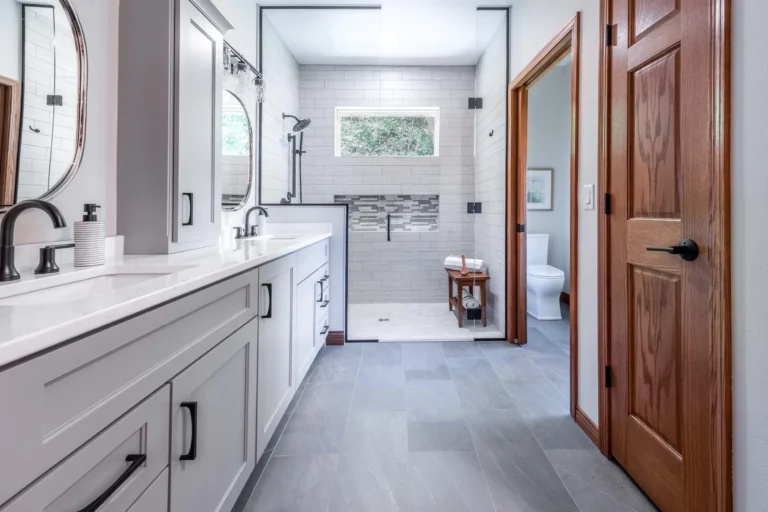
Remodeling contractors are professionals responsible for transforming homes, offices, or commercial spaces through renovation and construction. They manage all aspects of remodeling projects from planning and permits to design, demolition, and finishing. Whether you are looking to remodel a bathroom, kitchen, or entire house, hiring the right remodeling contractor ensures the project is completed efficiently, safely, and to your desired quality.
These professionals typically have teams that include plumbers, electricians, designers, and carpenters. Their main goal is to ensure that every aspect of a renovation meets building codes and design expectations while staying within the set budget and timeline.
Why Remodeling Contractors Are Essential for Successful Projects

Home improvement projects can be complex, involving multiple disciplines and compliance requirements. Remodeling contractors simplify the process by offering expert supervision, technical knowledge, and reliable project management. They help homeowners translate ideas into realistic plans and handle challenges that may arise during construction.
A good remodeling contractor also ensures quality control, adherence to schedules, and coordination among workers and suppliers. This not only saves time but also prevents costly mistakes caused by inexperience or miscommunication.
The Process of Working with Remodeling Contractors
When you decide to remodel your home, the process usually begins with consultation and planning. The contractor assesses your needs, inspects the property, and discusses possible design solutions. Afterward, a detailed proposal with a cost estimate and timeline is presented. Once approved, the contractor obtains the necessary permits and starts the renovation.
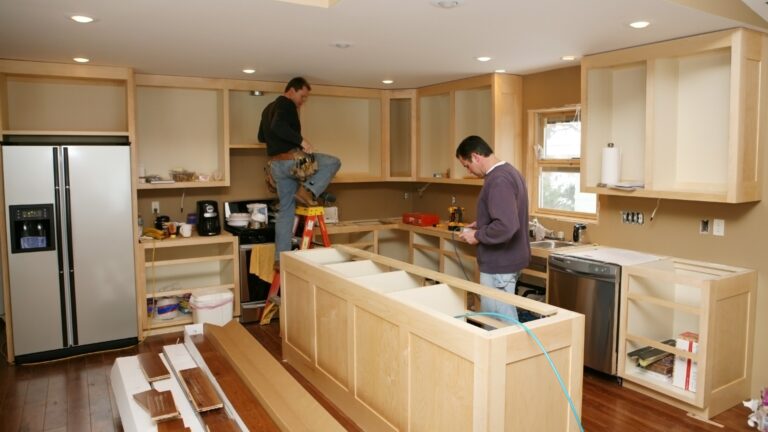
The workflow includes demolition, rebuilding, installation, and finishing. Throughout the process, regular updates and inspections are conducted to ensure everything aligns with the design plan. At completion, a final walkthrough verifies that every detail meets client satisfaction and safety standards.
Types of Remodeling Contractors and Their Specializations

Remodeling contractors can specialize in various types of renovation projects depending on their expertise and resources.
Residential Remodeling Contractors
These contractors focus on home improvement projects like kitchen remodels, bathroom renovations, and room additions. They are skilled in managing aesthetic upgrades as well as structural changes within residential properties.
Commercial Remodeling Contractors
Commercial remodelers handle office, retail, and hospitality renovations. They work under strict deadlines and building codes to minimize business disruptions while improving functionality and appeal.
Design-Build Remodeling Contractors
A design-build contractor manages both the design and construction phases under one contract. This integrated approach improves communication, reduces project time, and ensures cohesive design implementation.
Benefits of Using Technology in Remodeling Contractor Services
The remodeling industry has evolved significantly with technology. Digital tools such as 3D design software, project management platforms, and augmented reality applications have revolutionized how contractors plan, execute, and present renovation projects.
Modern contractors use Building Information Modeling (BIM) and virtual visualization tools to help clients see the results before construction begins. These technologies reduce design errors and allow homeowners to make informed decisions. Mobile apps also facilitate progress tracking, budget management, and communication between clients and project teams.
Furthermore, smart tools and laser measuring devices enhance precision during layout planning and installation. This technological integration ensures higher quality finishes, faster delivery, and overall cost efficiency.
Real-World Example 1: Houzz Pro Remodeling Software
Houzz Pro is a professional software solution designed for contractors to manage projects, invoices, client communication, and design presentations in one place. Contractors can create realistic 3D models of proposed renovations, making it easier for clients to visualize the outcome before any work begins. This streamlines communication and reduces misunderstandings about design expectations.
The relevance of this tool lies in its ability to combine project management and design presentation features. It allows contractors to maintain transparency, improve scheduling accuracy, and enhance overall client satisfaction.
Real-World Example 2: Bosch GLM 50C Laser Measure
The Bosch GLM 50C is a widely used digital measuring tool among remodeling contractors. It provides instant, precise measurements that can be transferred to mobile devices for design planning. Its Bluetooth compatibility helps synchronize data with project management software.
For contractors, this device eliminates manual errors, speeds up the layout process, and ensures accuracy in room dimensions. As a result, the design and installation phases become more reliable and efficient.
Real-World Example 3: SketchUp Pro for Remodeling Visualization
SketchUp Pro is a 3D modeling software that allows remodeling contractors to design realistic spaces and demonstrate different configurations to clients. It supports advanced modeling for structural and aesthetic designs, including lighting, materials, and textures.
This software enhances collaboration between contractors and homeowners, providing clarity on every detail of the renovation plan. Its simulation capabilities help identify potential challenges early, saving both time and money.
Practical Benefits of Hiring Remodeling Contractors

Professional Expertise and Quality Results
Remodeling contractors bring extensive knowledge and experience that ensure all renovation work meets industry standards. They coordinate skilled laborers, verify materials, and maintain construction quality throughout the process.
Time and Cost Efficiency
Attempting to manage a remodeling project alone can lead to delays and unexpected expenses. Contractors streamline workflows, anticipate challenges, and optimize resource use. Their established supplier relationships often result in cost savings and timely material procurement.
Safety and Compliance
Remodeling often involves structural alterations, electrical work, and plumbing, all of which require adherence to safety codes. Contractors ensure compliance with regulations, preventing legal issues and ensuring a safe environment.
Use Cases: How Remodeling Contractors Solve Real-World Problems

Case 1: Aging Homes Requiring Structural Updates
In older homes, issues like outdated wiring, foundation cracks, and poor insulation are common. Remodeling contractors assess these problems and execute strategic updates that improve safety, efficiency, and comfort while preserving the home’s original charm.
Case 2: Adapting Homes for Modern Lifestyles
As family needs evolve, remodeling contractors help redesign spaces, such as converting unused basements into home offices or open-concept living areas. Their expertise ensures that these transformations enhance both functionality and aesthetic appeal.
Case 3: Commercial Space Modernization
Businesses often hire remodeling contractors to renovate outdated office layouts or retail spaces. By updating interiors and improving lighting and energy efficiency, contractors create environments that boost productivity and attract customers.
The Future of Remodeling Contractors
The remodeling industry continues to grow as homeowners prioritize sustainability and energy efficiency. Future contractors will increasingly adopt eco-friendly materials, smart technologies, and digital project management systems. Artificial intelligence and automation will likely play a role in project estimation, design optimization, and scheduling, further improving efficiency and reducing waste.
Frequently Asked Questions
1. What does a remodeling contractor do?
A remodeling contractor oversees renovation projects from design to completion. They manage workers, ensure code compliance, and coordinate all phases to achieve a successful remodel.
2. How do I choose the right remodeling contractor?
Look for licensed, insured contractors with proven experience in your project type. Read client reviews, request references, and confirm their communication and project management approach before hiring.
3. What are the advantages of hiring a remodeling contractor instead of doing it myself?
Hiring a professional ensures quality craftsmanship, compliance with regulations, and efficient project management. DIY remodels often lack precision, experience, and legal assurance, leading to higher long-term costs.